
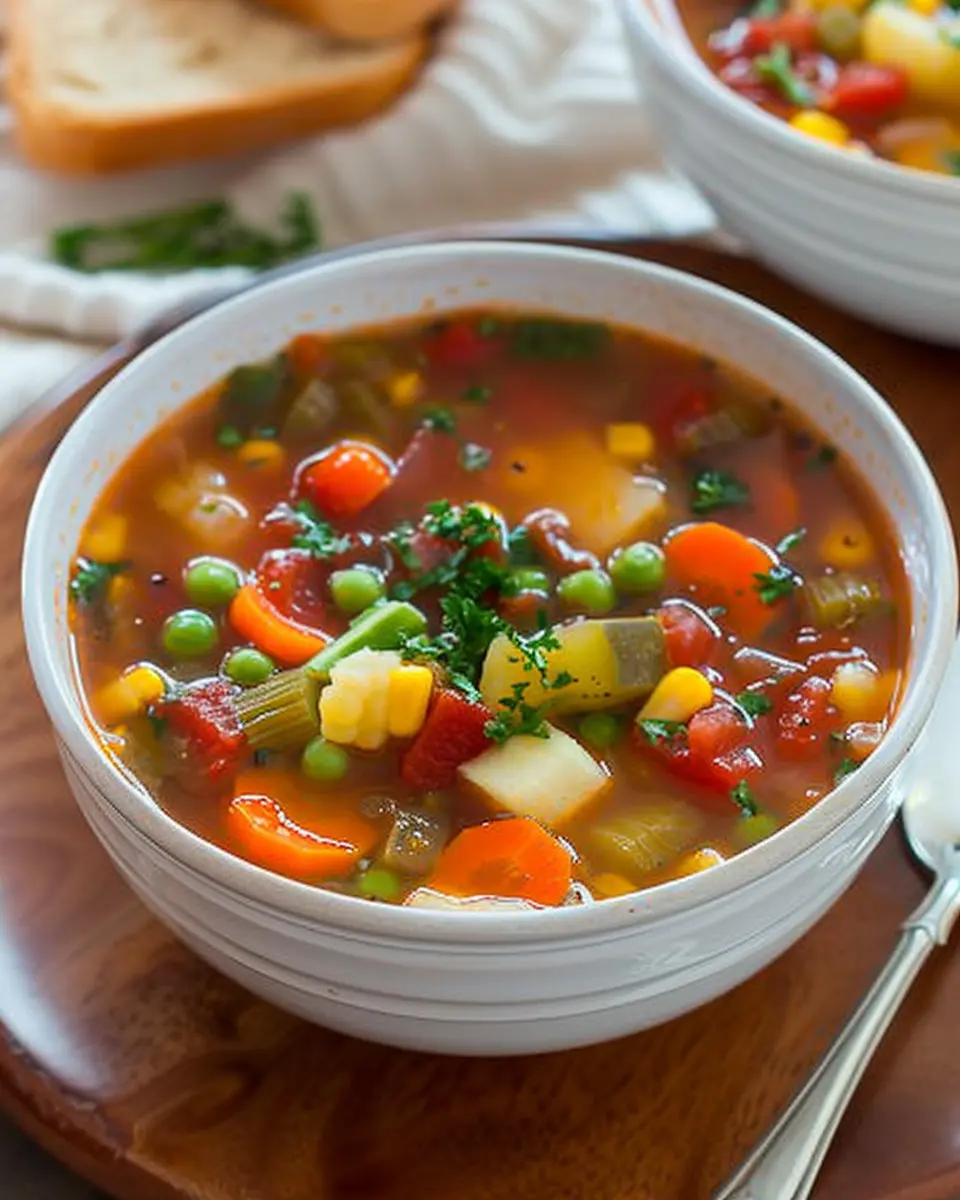
Introduction to Vegetable Soup
Discovering the comforting world of homemade vegetable soup
There’s something undeniably soothing about a warm bowl of vegetable soup. Whether it’s a chilly evening or just a busy day that needs a touch of home, this dish is a treasure trove of nourishment and flavor. Vegetarian and vegan-friendly, homemade vegetable soup offers a versatile canvas where you can paint with your favorite seasonal veggies.
Creating a comforting pot of vegetable soup can be as simple or elaborate as you wish. You might find yourself surprised by how easily you can whip together a hearty meal with ingredients often found in your kitchen. Did you know that according to the USDA, only about 10% of adults consume the recommended daily serving of vegetables? A delicious vegetable soup can dramatically boost your intake while providing essential nutrients that help improve your overall well-being.
One of the beautiful things about making your own vegetable soup is the opportunity to customize it. Want to throw in some spinach for added greens? Go for it! Maybe some zucchini or carrots for sweetness? The sky’s the limit. Adding turkey bacon or chicken ham can lend a savory depth that elevates the dish, but you can easily keep it vegetarian too. For those looking for a meatless alternative, consider adding plant-based proteins like lentils or chickpeas.
As you embark on this culinary adventure, you’ll not only find pleasure in the act of cooking but also in the aromas wafting through your kitchen. There’s a sense of nurturing that comes from crafting a meal from scratch, and what could be better than sharing that with friends or family? If you want to delve deeper into the nutrients and health benefits of veggies, check out resources like the Vegetable Research and Development Center.
So, grab your favorite cutting board and let’s dive into making a warm and satisfying vegetable soup. It’s time to turn those fresh ingredients into a bowl of comfort that nourishes both your body and soul.

Ingredients for Vegetable Soup
When it comes to crafting a wholesome vegetable soup, ingredient selection is key for achieving a rich flavor and nourishing experience. Here’s a carefully curated list of what you’ll need to bring this comforting dish to life:
-
Fresh Vegetables: Start with the classics—onions, carrots, and celery. These aromatics create a delicious base. Feel free to add bell peppers, zucchini, or any seasonal produce that catches your eye!
-
Leafy Greens: Spinach or kale not only boost the nutritional profile but also add vibrant color. You can toss them in during the last few minutes of cooking for a fresh touch.
-
Proteins: Consider adding turkey bacon for a smoky essence or chicken ham for an added layer of flavor without the heaviness of red meats.
-
Broth: A low-sodium vegetable or chicken broth will intensify flavors and keep things light.
-
Spices and Herbs: Think thyme, basil, or bay leaves. These enhance the overall taste and aroma, giving your vegetable soup that homemade feel.
If you’re looking for a deeper dive into selecting the best vegetables, check out the Seasonal Vegetable Guide for local produce ideas! Embrace the creativity, and let your vegetable soup shine!
Preparing Vegetable Soup
Creating a cozy pot of vegetable soup is not just about nourishment; it’s about enjoying the process of cooking, and it’s an ideal way to use up those seasonal veggies. Whether you’re coming back from a long day at work or need a quick meal prep option for the week, vegetable soup is versatile, delicious, and satisfying. Let’s dive into this delightful cooking experience!
Gather your fresh and flavorful ingredients
To kick things off, it’s essential to gather the freshest ingredients possible. A colorful mix of your favorite vegetables will not only make your soup visually appealing but will also enhance its flavor. Here’s what you’ll need:
- Base vegetables: Onions, carrots, and celery are classic choices.
- Optional add-ins: Bell peppers, zucchini, and spinach can elevate the taste and texture.
- Protein boost: Consider adding turkey bacon or chicken ham for added heartiness.
- Broth: Use a quality vegetable broth or chicken broth for depth, or even water if you’re in a pinch.
- Herbs and spices: Fresh thyme, bay leaves, salt, and pepper can transform your soup into a comforting dish.
Be sure to wash all vegetables thoroughly, as the freshness of your ingredients makes a huge difference in the final product.
Sauté those aromatic veggies with olive oil
Once you’ve prepped your ingredients, it’s time to build the flavor. Heat about two tablespoons of good-quality olive oil in a large pot over medium heat. Sauté your base vegetables—onions, carrots, and celery—first. The aromatic scents will begin to fill your kitchen, creating a welcoming atmosphere.
Consider this: did you know that sautéing your vegetables helps release their natural sugars? It deepens their flavor and gives your vegetable soup a delicious backbone. Stir and cook these for about 5-7 minutes until they soften and begin to caramelize slightly. Don’t rush this phase; it’s where the magic starts!
Add the liquids and seasonings for depth of flavor
Now for the fun part—adding the liquids! Pour in about 6-8 cups of vegetable or chicken broth, depending on how brothy you like your soup. If you’re feeling adventurous, you can add a splash of lemon juice or a dash of vinegar for acidity, balancing the richness of the broth perfectly.
Next, sprinkle in your herbs and spices. Fresh herbs pack a powerful punch, so don’t hold back! Add salt, pepper, and any other seasonings you love, such as garlic powder or paprika. Remember; seasoning is key for transforming your soup from bland to brilliant!
Bring it all to a boil, then simmer to perfection
With your pot full of vibrant ingredients and broth, it’s time to bring your soup to a boil. As soon as it reaches a rolling boil, lower the heat and allow it to simmer. This gentle cooking method lets the flavors meld beautifully. Allow your soup to simmer for about 30 minutes—don’t rush this step! It’s perfect for preparing a warm, cozy meal while you kick back and relax.
Stir in the final veggies and serve hot
As your soup comes close to finishing, it’s time to think about your final veggies. Add them in during the last 10 minutes of cooking so they remain vibrant and retain their crunch. Consider broccoli, green beans, or leafy greens like spinach.
Once everything looks tender and flavorful, give it a final stir, taste, and adjust seasoning as necessary. Ladle your organic vegetable soup into bowls and serve hot. It’s perfect for pairing with a crusty baguette or a sprinkle of fresh herbs on top!
Preparing your own vegetable soup can be a delightful and engaging cooking experience that brings warmth and comfort to any day. Happy cooking! If you’re interested in more cooking inspiration and tips, consider checking out The Kitchn for numerous recipes that will pique your interest!

Variations on Vegetable Soup
If you’re looking to shake things up in the kitchen, vegetable soup offers a canvas for creativity. With a few tweaks, you can make delightful variations that cater to different palates and preferences. Here are some tasty takes on the classic.
Hearty Vegetable and Turkey Bacon Soup
For a comforting dish that adds a savory dimension, try a hearty vegetable and turkey bacon soup. Start with a base of sautéed onions, carrots, and celery to build flavor. Next, toss in diced turkey bacon that crisps up beautifully as it cooks. Add an array of veggies—think kale, potatoes, and bell peppers—for a colorful and nutritious mix. Flavor it with homemade broth or even a splash of lemon juice for that extra zing. This option not only fills you up but keeps you energized!
Zesty Spicy Vegetable Soup
If you’re in the mood for a little heat, a zesty spicy vegetable soup might just do the trick. Begin with a foundation of garlic and ginger, followed by chopped tomatoes and a medley of your favorite vegetables. To spice it up, add red pepper flakes or a chopped jalapeño. Finish with a handful of fresh cilantro and a squeeze of lime for a revitalizing twist! This recipe is perfect for those chilly evenings when you want to feel warm and invigorated.
Creamy Potato and Vegetable Medley Soup
For something rich and velvety, whip up a creamy potato and vegetable medley soup. Use a base of sautéed onions and garlic, and include diced potatoes for that creamy texture. Blend until smooth, and stir in a variety of vegetables like peas and carrots for added sweetness. You can use almond milk or coconut milk for a non-dairy option that maintains richness without the heaviness. This dish is particularly satisfying on those busy weeknights when you need something quick and fulfilling.
No matter how you choose to elevate your vegetable soup, the possibilities are endless. Try mixing different ingredients and spices to suit your preferences, and you might just discover your new favorite go-to recipe! For more tips on soup variations, check out resources like EatingWell and The Kitchn for inspiration.
Cooking Tips and Notes for Vegetable Soup
Choosing the Right Vegetables for Your Soup
When crafting the perfect vegetable soup, selecting the right vegetables is crucial. Aim for a balance of flavors and textures for a satisfying dish. Some popular choices include:
- Carrots: They add sweetness and color.
- Celery: Provides crunch and aroma.
- Potatoes: Great for heartiness; they also help thicken the broth.
- Leafy greens: Such as spinach or kale, which boost nutrition and flavor.
Feel free to experiment with seasonal vegetables or try adding legumes like lentils or chickpeas for added protein and fiber. For more advice on seasonal produce, check out resources from USDA.
Tips on Altering Consistency and Taste
Finding the right consistency for your vegetable soup can really elevate the dish. If you prefer a thicker texture, consider:
- Blending some or all of the soup: A quick whirl in a blender creates creaminess without the added calories of cream.
- Adding grains: Such as rice or quinoa, which not only thickens but also makes your soup more filling.
For extra flavor, experiment with herbs and spices. Fresh thyme, oregano, or a splash of lemon juice can brighten up the taste profile. Remember, soup is a perfect canvas for creativity! Don’t hesitate to adjust seasonings as you taste.
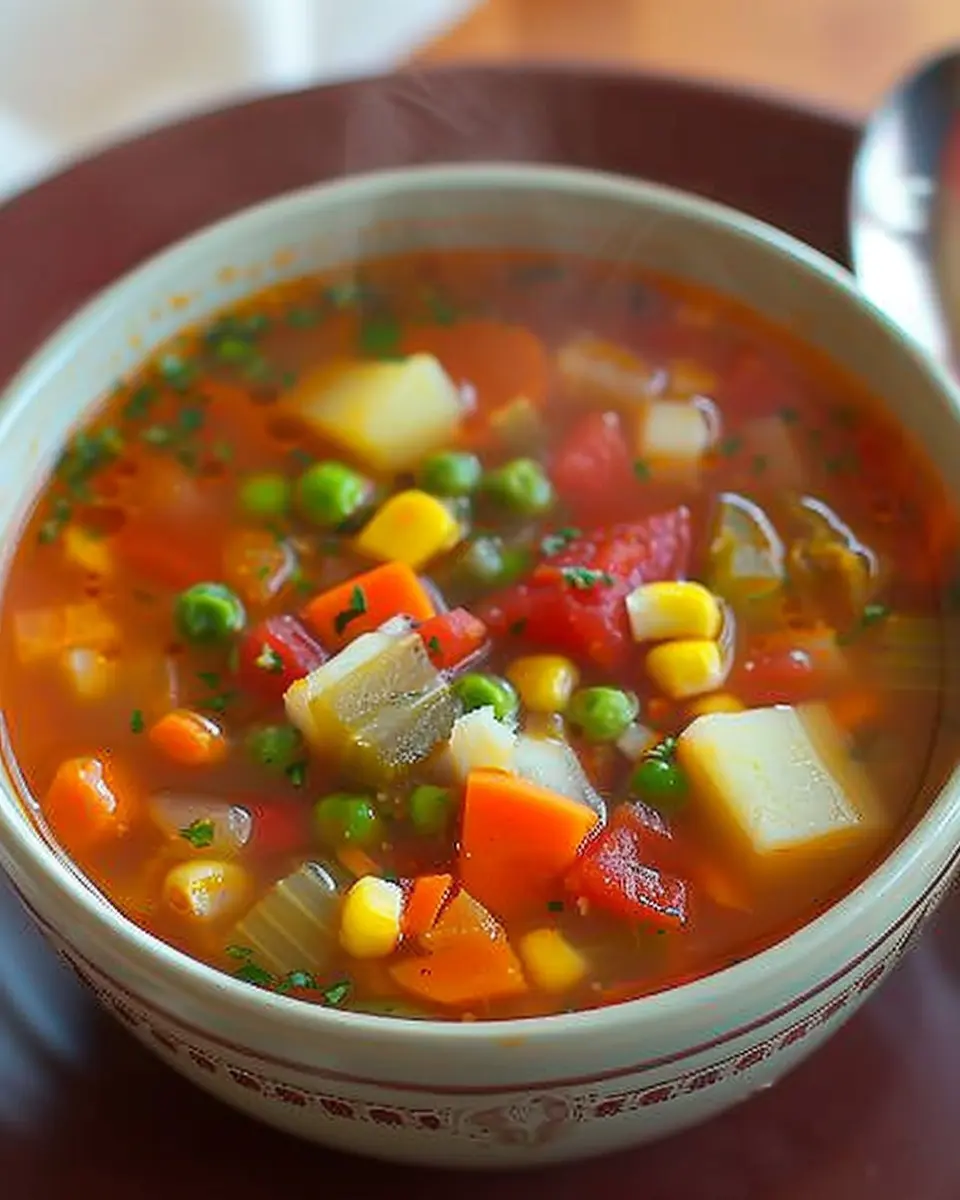
Serving Suggestions for Vegetable Soup
Pairing with Artisan Bread or a Fresh Salad
When it comes to enjoying a warm bowl of vegetable soup, consider bringing some delicious companions to the table. Artisan bread is an excellent choice; think about a rustic sourdough or a crusty baguette. The hearty crunch paired with the soothing warmth of the soup creates a comforting experience that’s hard to beat. Alternatively, a fresh salad can lighten up your meal with a crisp texture and vibrant flavors. A simple mixed greens salad with a zesty vinaigrette complements the rich flavors of the soup beautifully.
Ideal Garnishes to Enhance Flavor and Presentation
Don’t overlook the power of garnishes when serving your vegetable soup. A dollop of Greek yogurt or a drizzle of olive oil can add a creamy richness. Finely chopped herbs like basil or parsley not only enhance the visual appeal but also bring brightness to each spoonful. For a hint of heat, sprinkle a pinch of red pepper flakes or a dash of hot sauce. These garnishes transform your soup from good to extraordinary, making it not just a meal but a vibrant dining experience.
By elevating your serving approach, you’re not only nourishing your body but also creating a delightful moment. For more ideas and tasty additions, you can check out Food Network’s serving guide or Epicurious’s recipe tips.
Time Breakdown for Vegetable Soup
Preparation Time
Getting started on your vegetable soup is quick and easy! You’ll need about 10-15 minutes to chop your fresh vegetables and gather your ingredients. This is the perfect opportunity to crank some tunes or sip on your favorite tea while you work.
Cooking Time
Once you’ve prepped, the cooking process takes around 30-40 minutes. This allows the flavors to meld beautifully, creating a delicious and hearty soup. You can enjoy this time to unwind after a busy day, perhaps catching up on a podcast or a favorite TV show.
Total Time
In total, you’re looking at approximately 45-55 minutes from start to finish. This means a satisfying, home-cooked meal can be yours in under an hour—a win for your busy schedule! If you’re interested in exploring more about the benefits of homemade soups, check out resources on health benefits of vegetable soup and how it can help with a balanced diet.
Nutritional Facts for Vegetable Soup
Calories
A typical serving of vegetable soup contains around 70-120 calories, depending on the ingredients you choose to include. This makes it a fantastic low-calorie meal option for those looking to maintain or lose weight without sacrificing flavor.
Fiber
One of the standout features of vegetable soup is its high fiber content. A serving can provide about 3-5 grams of dietary fiber, which is essential for digestive health and helps keep you feeling full longer. Including a variety of vegetables, such as carrots, beans, and kale, can significantly boost this fiber benefit.
Vitamins and Minerals
Packed with vitamins and minerals, vegetable soup is like a multi-vitamin in a bowl. You’ll find rich sources of:
- Vitamin A: Supports eye health and immune function.
- Vitamin C: Aids in the healing process and helps maintain healthy skin.
- Folate: Essential for cell division and DNA production.
Incorporating vegetables like spinach, bell peppers, and tomatoes not only enhances flavor but also amplifies the nutritional punch of your soup. For more detailed nutrient breakdowns, you can explore resources like the USDA FoodData Central or sites focusing on healthy eating.
So, next time you enjoy a warm serving of vegetable soup, remember, it’s not just a comforting dish but also a powerhouse of nutrition!
FAQs about Vegetable Soup
When diving into the joys of making vegetable soup, you might have some questions. Let’s tackle a few common ones to make your cooking experience a breeze!
Can I use frozen vegetables instead of fresh?
Absolutely! Frozen vegetables are a fantastic alternative to fresh ones, especially when you’re short on time. They are usually frozen shortly after harvesting, preserving their nutrients. Just toss them straight into your vegetable soup without thawing! If using frozen ingredients, decrease cooking time slightly since they’ll cook faster.
How long can I store leftover vegetable soup?
Leftover vegetable soup can be a lifesaver for your weekday meals! You can store it in the fridge for about 3-5 days. For longer storage, consider freezing it in airtight containers. Most soups will last up to 3 months in the freezer, though keep in mind the texture may change slightly once thawed. It’s always a good idea to label your containers with the date so you can keep track!
Can I customize the soup based on my dietary needs?
Definitely! One of the best aspects of vegetable soup is its versatility. Whether you need it gluten-free, vegan, or dairy-free, you can easily swap ingredients based on your preferences. Replace chicken broth with vegetable broth, or omit any ingredients that don’t fit your diet. You might even want to add some protein like Turkey Bacon or Chicken Ham to elevate it. The Academy of Nutrition and Dietetics offers more tips on customizing recipes to fit your dietary needs.
Feel free to experiment, and don’t hesitate to reach out with any more questions! Your perfect bowl of vegetable soup is just a ladle away.
Conclusion on Vegetable Soup
Embracing the Homemade Soup Lifestyle
Cooking vegetable soup at home isn’t just a recipe; it’s an opportunity to embrace a lifestyle filled with wholesome, nutritious meals. Imagine the aroma of fresh veggies simmering on your stovetop, bringing warmth and comfort to your space. Not only is homemade soup a delightful choice, but it can also be incredibly budget-friendly and customizable. You can throw in whatever veggies you have on hand, turning leftovers into something delightful.
Plus, studies suggest that integrating more plant-based meals, like your delicious vegetable soup, can enhance your overall health. So why not make this uncomplicated and satisfying dish a regular part of your culinary repertoire? Let’s savor health, flavor, and creativity—one bowl at a time! Explore more on how wholesome meals can impact your lifestyle at Healthline.
PrintVegetable Soup: The Best Comforting Recipe to Warm Your Soul

A hearty and healthy vegetable soup recipe that is perfect for warming up on a chilly day.
- Prep Time: 15 minutes
- Cook Time: 30 minutes
- Total Time: 45 minutes
- Yield: 6 servings 1x
- Category: Soup
- Method: Stovetop
- Cuisine: American
- Diet: Vegan
Ingredients
- 2 tablespoons olive oil
- 1 medium onion, diced
- 2 carrots, sliced
- 2 celery stalks, sliced
- 3 cloves garlic, minced
- 1 teaspoon dried thyme
- 1 teaspoon dried basil
- 1/2 teaspoon salt
- 1/4 teaspoon black pepper
- 6 cups vegetable broth
- 1 can (14.5 oz) diced tomatoes
- 2 cups green beans, trimmed and cut
- 1 cup corn kernels
- 1 cup peas
- 1 cup diced potatoes
Instructions
- Heat olive oil in a large pot over medium heat.
- Add onion, carrots, and celery, and sauté until softened, about 5 minutes.
- Stir in garlic, thyme, basil, salt, and pepper; cook for 1 minute.
- Pour in vegetable broth and bring to a boil.
- Add diced tomatoes, green beans, corn, peas, and potatoes; reduce heat and simmer for 20-25 minutes.
- Taste and adjust seasoning if necessary, then serve hot.
Notes
- This soup can be customized with different vegetables based on your preference or what you have on hand.
- Add some cooked pasta or rice to make it more filling.
Nutrition
- Serving Size: 1 bowl
- Calories: 150
- Sugar: 4g
- Sodium: 500mg
- Fat: 7g
- Saturated Fat: 1g
- Unsaturated Fat: 6g
- Trans Fat: 0g
- Carbohydrates: 25g
- Fiber: 7g
- Protein: 5g
- Cholesterol: 0mg
Keywords: Vegetable Soup, Comfort Food, Healthy Recipe