

Introduction to Vegetable Soup Recipe
When the weather turns crisp, or you just need a cozy meal that fills both your stomach and soul, nothing beats a savory bowl of vegetable soup. This dish has a timeless appeal, perfect for any occasion—whether it’s a quick lunch at home or a hearty dinner after a long day at work. Vegetable soup isn’t just comforting; it’s also a delicious way to incorporate your favorite veggies into your diet.
Why Vegetable Soup is the Ultimate Comfort Food
Imagine walking into your kitchen, and the aroma of simmering vegetables envelops you like a warm hug. If that sounds comforting, you’re in good company. Research shows that food plays a significant role in our emotions—comfort foods, like vegetable soup, often help to alleviate stress and bring a sense of nostalgia. For many, a big pot of soup is a reminder of family gatherings or chilly afternoons spent on the couch with a good book.
One of the best things about vegetable soup is its versatility. You can customize it year-round based on what’s in season or what you already have in your fridge. For example, using seasonal vegetables not only enhances the flavor but also supports local farmers. Check out resources like Eating Well for ideas on the best seasonal produce in your region.
Furthermore, the health benefits of a vegetable soup recipe are hard to ignore. Filled with nutrients, fiber, and antioxidants, it can contribute positively to your overall wellness. According to the American Heart Association, incorporating a variety of vegetables into your diet can reduce the risk of heart disease and other chronic illnesses. So, not only are you treating yourself to a bowl of comfort, but you’re also investing in your health.
You might wonder, “How can I make my vegetable soup truly unique?” The answer lies in the details. Consider adding herbs like thyme or basil, or proteins like turkey bacon or chicken ham for extra flavor. These simple tweaks can elevate your vegetable soup recipe from basic to extraordinary, while still remaining easy to prepare.
Ready to dive into making your own vegetable soup? Let’s gather some ingredients and get cooking!
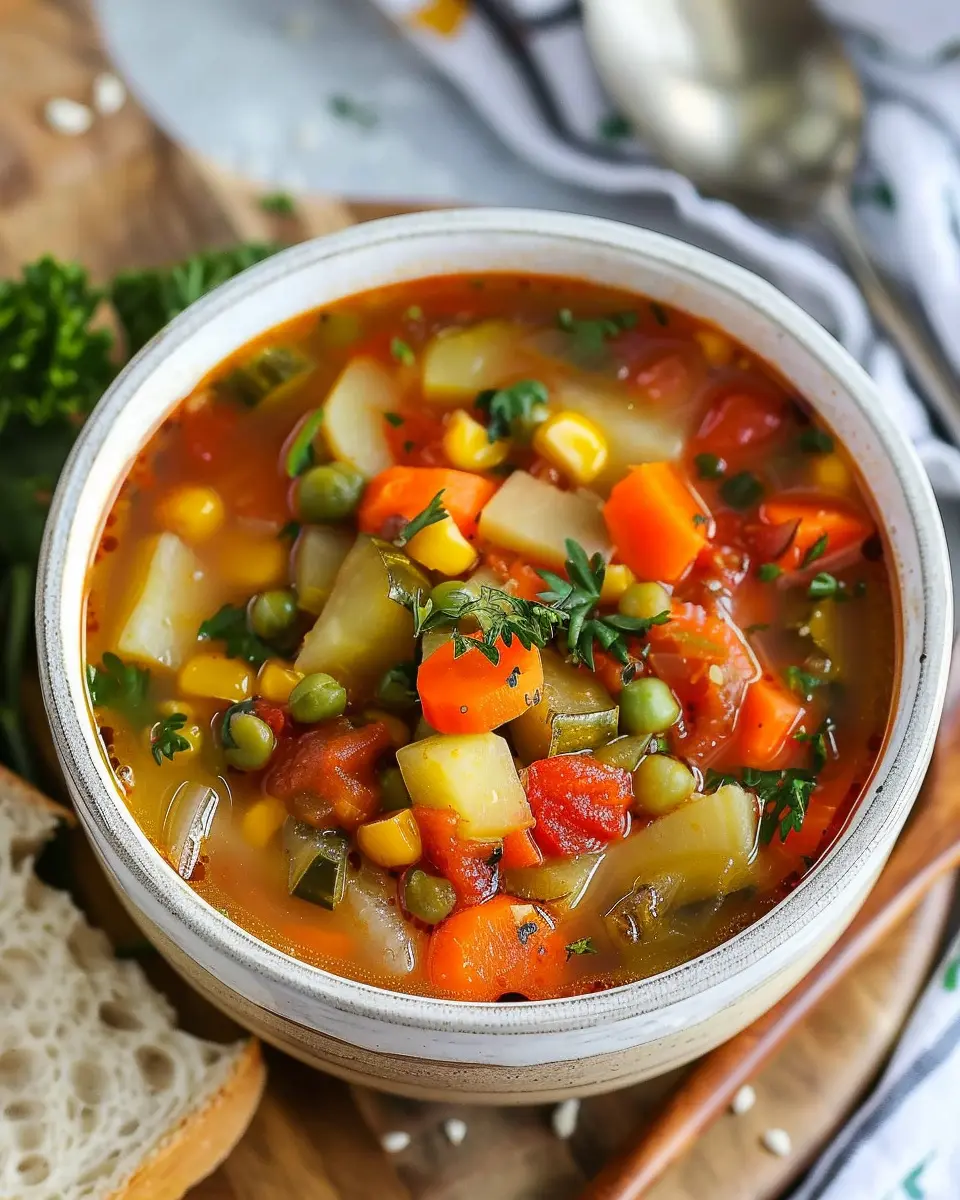
Ingredients for Vegetable Soup Recipe
Fresh and wholesome ingredients for a delicious soup
Creating a delectable vegetable soup recipe starts with the heart of any great dish: high-quality, fresh ingredients. You’ll want a mix of vibrant veggies that not only deliver flavor but also pack a nutritional punch. Here are the essentials for your soup:
- Carrots: Sweet and earthy, they add a lovely color and texture.
- Celery: A classic base for soups, it provides crunch and enhances the flavor.
- Onion and Garlic: These aromatics are essential for depth; they create a fragrant foundation.
- Tomatoes: Fresh or canned, they bring acidity and richness to the soup.
- Zucchini and Spinach: Delicate and nutritious, they round out the dish beautifully.
- Turkey Bacon or Chicken Ham: For those who like a hint of meatiness, these are great options without overpowering the veggies.
Feel free to mix and match based on what’s available in your pantry. Local farmers’ markets can be a great source for these ingredients! Check out resources like LocalHarvest to find fresh produce near you. The possibilities are as endless as the flavors you’ll create!
Preparing Vegetable Soup Recipe
Making a vegetable soup recipe is not just a way to warm up on chilly days; it’s also an invitation to fill your kitchen with delightful aromas and flavors. Let’s dive into the process of crafting this nourishing bowl of goodness, step by step.
Gather Your Ingredients
Before we start cooking, it’s essential to gather all your ingredients. The beauty of vegetable soup is its flexibility—feel free to customize it based on what you like or have on hand. Here’s a basic list to get you started:
- Vegetables: Carrots, celery, onions, garlic, and bell peppers. Don’t shy away from adding others like zucchini or kale!
- Protein: Turkey bacon or chicken ham can add depth to the flavor.
- Pasta: Optional, but a small handful of elbow macaroni or orzo brings heartiness.
- Liquid: Low-sodium vegetable broth and canned diced tomatoes (for added flavor).
- Seasonings: Olive oil, bay leaves, thyme, salt, and pepper to taste.
Make sure to wash and chop everything beforehand; it’ll make the cooking process smoother and more enjoyable. Check out Food Network for tips on vegetable prep if you need a little guidance on that front.
Sauté Your Aromatic Base
Now that you have your ingredients prepped, it’s time for the fun part!
- Heat a large pot over medium heat and drizzle in a bit of olive oil—about two tablespoons should do it.
- Add aromatic vegetables: Start with diced onions and minced garlic. Sauté for about 3-5 minutes, or until everything is fragrant and the onions turn translucent. Cooking the aromatics enhances the flavor of your soup, creating a delightful base.
For maximum flavor, consider adding a pinch of salt while sautéing; it helps draw out moisture and flavor in the vegetables.
Add the Vegetables and Pasta
Next, it’s time to throw in the rest of the mix:
- Add your diced carrots, celery, and any other veggies you choose. Stir everything together, allowing the vegetables to soften slightly, which should take about 5 minutes.
- If you like your soup hearty, this is when you would toss in your pasta. Be sure to check the cooking time on the package; you want it to cook properly without getting mushy!
Feeling inspired? You can also explore seasonal vegetables to switch things up throughout the year!
Mix in Tomatoes and Broth
Now for the main liquid components that will really bring your vegetable soup recipe to life:
- Pour in your canned diced tomatoes, juice and all. This adds a wonderful acidity and sweetness to the soup.
- Add the broth: Pour in about 4-6 cups of low-sodium vegetable broth or enough to cover your ingredients. If you like a more robust flavor, feel free to use chicken broth as an alternative.
- Season generously with thyme, bay leaves, and additional salt and pepper.
Bring everything to a gentle boil and prepare your taste buds for what’s to come!
Let It Simmer to Perfection
Finally, it’s time to let your soup do its thing:
- Reduce the heat to a simmer. This is the critical part—allowing your soup to simmer helps all the flavors meld together beautifully.
- Cover and cook: Let it simmer for 20-30 minutes. Stir occasionally and check for doneness on your pasta and vegetables. They should be tender but still intact!
For an extra touch, consider garnishing with fresh herbs or a sprinkle of parmesan cheese before serving. Trust me, your guests (or your taste buds) will appreciate it.
As your vegetable soup simmers, take a moment to enjoy the aromatic transformation of your kitchen. This is comfort food at its finest!
Now that you’ve mastered the essentials, feel free to experiment and share your twists on this classic recipe! Whether you’re preparing it for a cozy night in or a gathering with friends, the warmth of homemade vegetable soup is sure to nourish both body and soul.
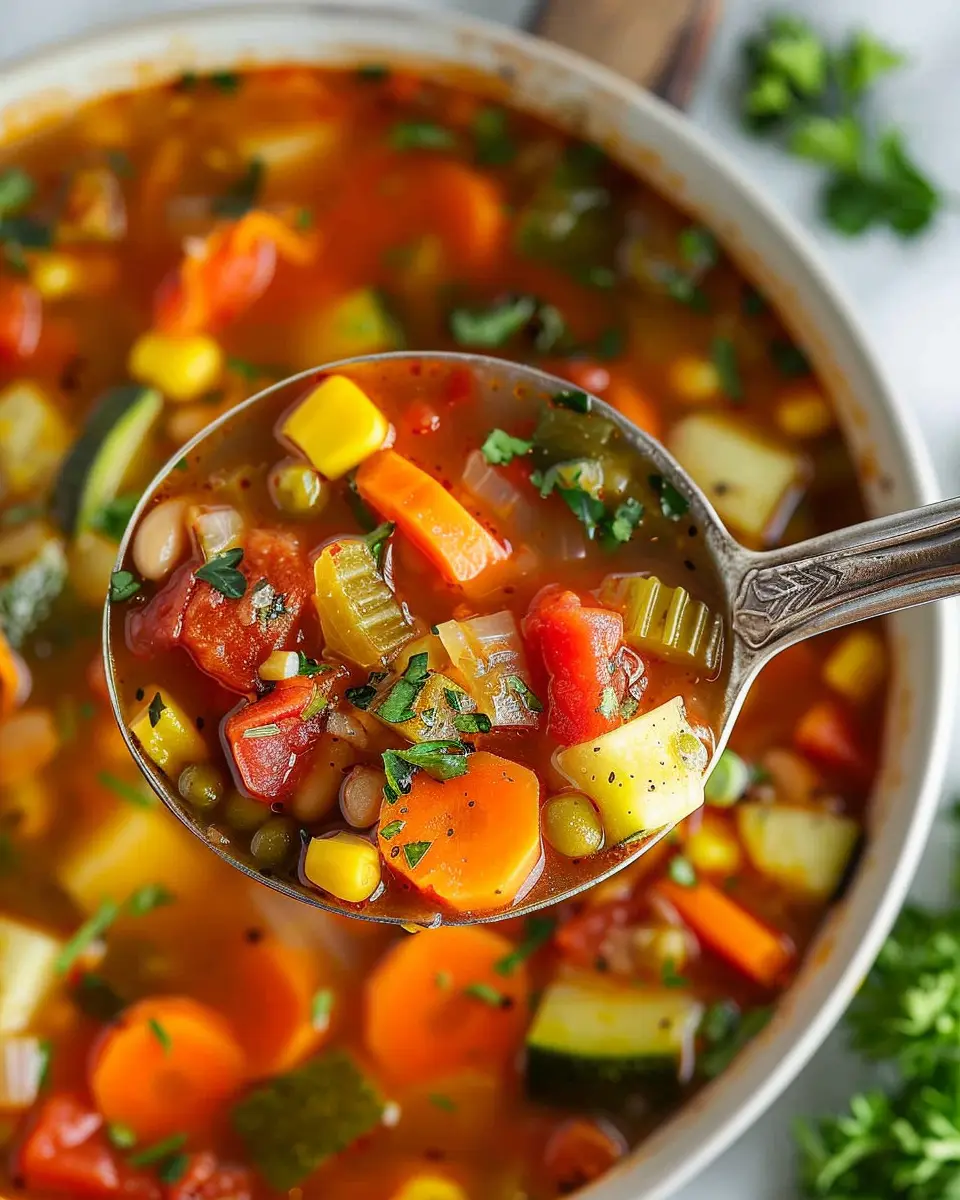
Variations on Vegetable Soup Recipe
When it comes to creating a delicious vegetable soup recipe, there’s so much room for personalization! Here are two simple yet effective ways to elevate your soup game.
Add Protein: Beans and Legumes
Including protein in your soup not only enhances the nutritional value but also makes it heartier. Beans and legumes like chickpeas, lentils, or black beans are excellent choices. For a delightful twist, try adding:
- Canned chickpeas: These create a creamy texture and add a subtle nutty flavor.
- Green lentils: If you prefer a bit of bite, opt for green lentils; they hold their shape beautifully.
- Kidney beans: These are perfect for a richer taste and pair wonderfully with spices.
Feel free to experiment with different combinations—they all bring something unique to the pot. Not sure where to start? Check out this guide on incorporating legumes into soups.
Spice It Up: Adding Herbs and Spices
A well-seasoned vegetable soup recipe can transform your meal from basic to extraordinary. Consider enhancing your broth with a mix of fresh and dried herbs. Here are some go-to options:
- Thyme and rosemary: These herbs add a delightful earthiness.
- Cumin: Just a dash can introduce a warm, aromatic flavor profile.
- Red pepper flakes: If you enjoy a bit of heat, sprinkle in some red pepper flakes or even fresh chili for a kick.
Always remember, spices can be adjusted according to your palate. Don’t be afraid to taste as you go! For a comprehensive overview of herbs that complement soups, check out this culinary herb guide.
With these variations, your vegetable soup recipe can become a canvas for creativity. Enjoy experimenting!
Cooking Tips and Notes for Vegetable Soup Recipe
Store Leftovers for Later
After enjoying your delicious vegetable soup, don’t let those leftovers go to waste! Allow the soup to cool, then transfer it into airtight containers for storage. It keeps well in the fridge for up to a week, or you can freeze it for up to three months. When you’re ready to enjoy it again, simply reheat it on the stove or in the microwave. This not only saves time on busy weeknights but also ensures you have a satisfying meal ready at your convenience.
Adjusting Flavors to Your Preference
Feel free to customize your vegetable soup recipe to suit your taste! If you prefer a heartier flavor, consider adding more herbs like thyme or basil, or even a splash of low-sodium vegetable broth for richness. Spice lovers can toss in a pinch of red pepper flakes or a dash of hot sauce to elevate the heat. Don’t hesitate to taste as you go; adjusting seasoning can make all the difference.
Learning how to balance flavors through simple additions can transform your cooking. Want more tips on perfecting your soup? Check out resources from America’s Test Kitchen for expert insights.
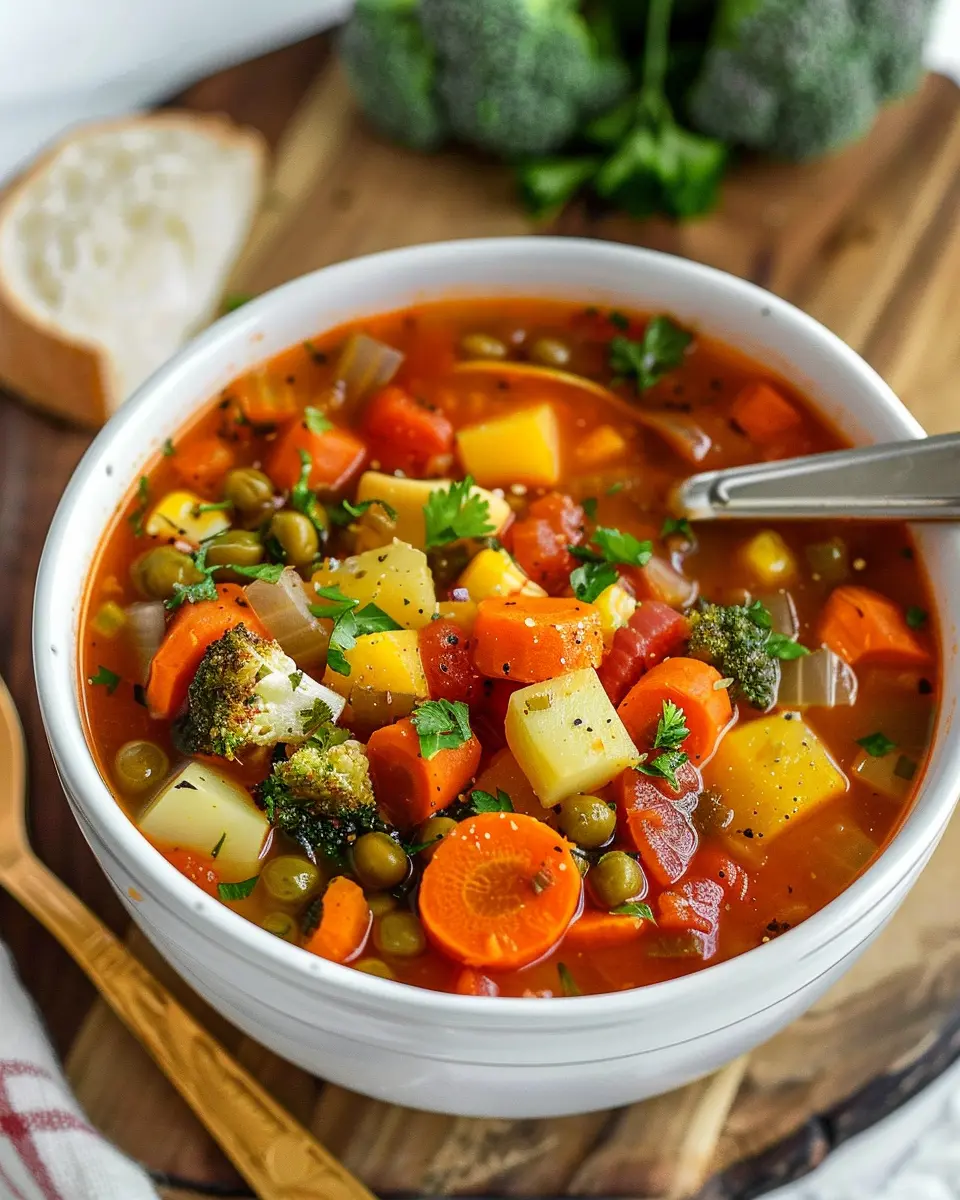
Serving suggestions for Vegetable Soup Recipe
Complement with crusty bread or sandwiches
What pairs better with a vegetable soup recipe than a slice of perfectly toasted, crusty bread? A warm, chewy baguette or sourdough provides a delightful contrast to the thick, hearty soup. You can also consider serving it alongside a simple sandwich, perhaps loaded with turkey bacon and fresh veggies, for a nutritious twist. Not only does this make for a satisfying meal, but it also helps you soak up every last drop of that tasty broth!
Creative garnish ideas
Elevate your vegetable soup with some creative garnishes that are both flavorful and visually appealing. Consider adding:
- Fresh herbs: A sprinkle of parsley, basil, or cilantro can brighten up your dish.
- Seeds or nuts: Toasted pumpkin seeds or slivered almonds add a nice crunch.
- Dairy alternatives: A drizzle of coconut yogurt or a sprinkle of nutritional yeast enhances flavor without dairy.
Feeling adventurous? Try drizzling a bit of pesto or a swirl of balsamic glaze on top for a burst of flavor.
By incorporating these suggestions, your vegetable soup recipe not only becomes a delicious meal but also a pleasing sensory experience! For more ideas and tips, check out The Kitchn for a wealth of cooking inspiration.
Time breakdown for Vegetable Soup Recipe
Preparation time
Getting your ingredients ready for this vegetable soup recipe takes about 20 minutes. Begin by chopping veggies, like carrots, celery, and bell peppers. Don’t forget to mince garlic and onions for that flavorful base.
Cooking time
Once everything is prepped, you’ll spend around 30 minutes cooking the soup. Bring your pot to life by sautéing your veggies until they’re tender, then let them simmer in broth, allowing those delicious flavors to meld beautifully.
Total time
In just 50 minutes, you’ll have a warm, hearty bowl of vegetable soup ready to enjoy. It’s perfect for meal prep or cozy dinners, and if you’d like to explore more veggie-packed options, check out this guide on healthy vegetable-based dishes. You’re bound to find something that inspires your next culinary adventure!
Nutritional Facts for Vegetable Soup Recipe
Calories per serving
Each serving of this vegetable soup recipe contains approximately 150 calories, making it a fantastic option for anyone looking to enjoy a light yet satisfying meal. With its low-calorie count, this soup is perfect for lunch or a cozy dinner, allowing you to savor the flavors without any guilt.
Key Nutrients and Health Benefits
This nourishing soup is packed with essential nutrients that support overall health. Key highlights include:
- Vitamins and Minerals: Loaded with vitamins A, C, and K from an array of vegetables.
- Fiber: Each bowl delivers a hearty dose of dietary fiber, promoting healthy digestion.
- Antioxidants: Helps reduce inflammation and boost your immune system.
Including a vegetable soup recipe like this in your weekly meal rotation can enhance your diet and leave you feeling energized. Plus, substituting ingredients, like adding turkey bacon for added protein, can elevate the dish even further!
For more insights on the nutritional benefits of soup, check out studies from sources like Healthline and the Mayo Clinic.
FAQs about Vegetable Soup Recipe
Can I make vegetable soup in advance?
Absolutely! One of the great things about a vegetable soup recipe is its versatility when it comes to meal prep. You can prepare your soup in advance and store it in the refrigerator for about 3-4 days. Just make sure to let it cool completely before transferring it to an airtight container. This makes weeknight dinners a breeze—just reheat and enjoy. For longer storage, consider freezing your soup. It can last up to three months in the freezer!
What’s the best way to store vegetable soup?
To keep your vegetable soup fresh and delicious, proper storage is key. Use glass or BPA-free plastic containers with tight-fitting lids. If you’re freezing, leave about an inch of space at the top of the container to allow for expansion. When you’re ready to reheat, thaw it overnight in the fridge or use the microwave. If you’d like tips on safe food storage, the USDA’s Food Safety and Inspection Service is a great resource for guidance.
How can I make vegetable soup more filling?
If you’re looking to bulk up your vegetable soup recipe, here are some easy tips:
- Add Protein: Incorporate ingredients like chicken ham or turkey bacon for a hearty touch.
- Include Grains: Quinoa, barley, or even potatoes work wonders in making your soup more substantial.
- Mix in Legumes: Beans or lentils add both protein and fiber, keeping you fuller for longer.
- Cheese Topping: A sprinkle of shredded cheese can enhance flavor and satisfaction.
Experiment with your soup to find combinations that not only taste great but also meet your nutritional needs!
Conclusion on Vegetable Soup Recipe
Embrace the joy of homemade cooking
There’s something undeniably comforting about crafting your own vegetable soup recipe. Not only does it allow you to customize flavors to your liking, but it also promotes healthy eating habits. Homemade soup can be packed with nutrients, providing a warm and nourishing meal option that busy young professionals will appreciate. Plus, it’s a fantastic way to utilize seasonal vegetables.
So, why not gather some fresh produce, take a moment for yourself, and enjoy the process? Whether you’re heating it up for lunch or sharing it with friends, that delicious homemade soup is bound to bring smiles. For tips on different variations and health benefits of soup, check out articles from reputable sites like Healthline. Happy cooking!
PrintVegetable Soup Recipe: Easy Comfort Food for Home Cooks

This vegetable soup is a simple, nutritious option that is perfect for any time of year.
- Prep Time: 15 minutes
- Cook Time: 30 minutes
- Total Time: 45 minutes
- Yield: 6 servings 1x
- Category: Soup
- Method: Stovetop
- Cuisine: Mediterranean
- Diet: Vegan
Ingredients
- 2 tablespoons olive oil
- 1 onion, diced
- 2 carrots, sliced
- 2 celery stalks, diced
- 3 cloves garlic, minced
- 1 teaspoon dried thyme
- 6 cups vegetable broth
- 1 can diced tomatoes (14.5 oz)
- 2 cups green beans, trimmed and chopped
- 2 cups zucchini, diced
- 1 cup frozen peas
- salt to taste
- pepper to taste
Instructions
- In a large pot, heat the olive oil over medium heat.
- Add the onion, carrots, and celery, and sauté for 5 minutes.
- Stir in the garlic and thyme, cooking for another minute.
- Add the vegetable broth and diced tomatoes, bringing to a boil.
- Reduce heat, add green beans, zucchini, and peas, and let simmer for 20 minutes.
- Season with salt and pepper to taste before serving.
Notes
- Feel free to adjust the vegetables based on what you have on hand.
- This soup tastes even better the next day after the flavors meld together.
Nutrition
- Serving Size: 1 bowl
- Calories: 150
- Sugar: 4g
- Sodium: 800mg
- Fat: 7g
- Saturated Fat: 1g
- Unsaturated Fat: 5g
- Trans Fat: 0g
- Carbohydrates: 22g
- Fiber: 6g
- Protein: 5g
- Cholesterol: 0mg
Keywords: Vegetable Soup Recipe, Comfort Food, Healthy Soup