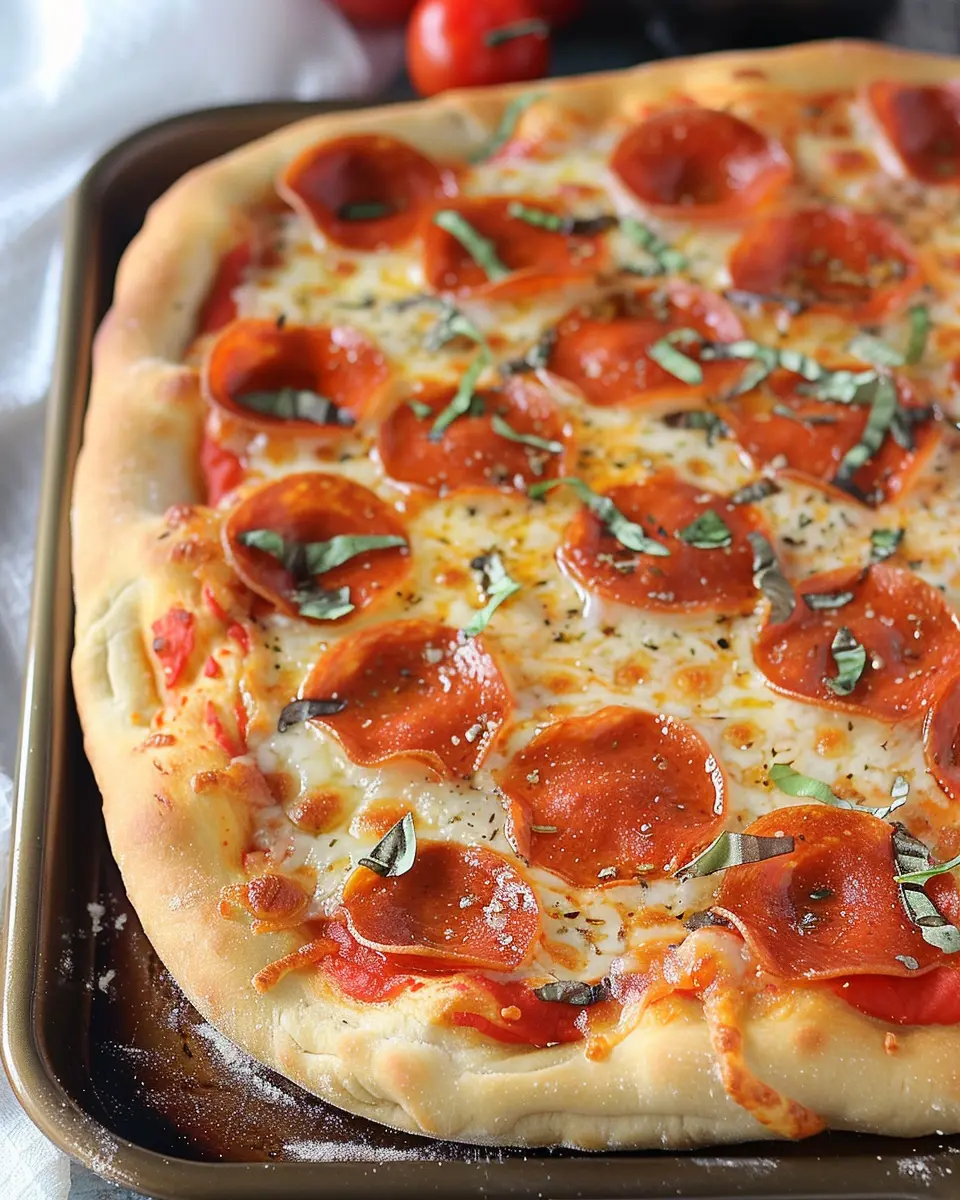
Introduction to Homemade Pizza Dough Recipe
Imagine this: it’s a busy weeknight, and the thought of dinner feels overwhelming. You could settle for takeout, but what if I told you that a delicious, homemade pizza could be just as quick and even more satisfying? This is where your homemade pizza dough recipe becomes a game-changer for weeknight dinners.
Creating your own pizza dough is simpler than you might think. With just a few basic ingredients—flour, water, yeast, and salt—you can whip up a batch that rivals any pizzeria. According to the U.S. Department of Agriculture, homemade meals can save you money and also allow for healthier eating. Cooking at home has never been easier or more rewarding, especially when you can customize your pizza to fit your cravings.
Making homemade pizza dough not only gives you the freedom to experiment with flavors and toppings but also brings a sense of accomplishment. Imagine kneading the dough, watching it rise, and finally pulling a golden-brown pizza from your oven. You control the ingredients, so you can use high-quality flour and fresh toppings like turkey bacon, chicken ham, or even veggie options—whatever suits your taste!
Plus, homemade pizza is versatile. You can make small personal pizzas or a large family-sized pie. Want to impress your friends? Host a DIY pizza night where everyone crafts their own masterpiece!
Ready to dive into this delightful process? You can find more tips and tricks on preparing pizza at sites like Serious Eats or America’s Test Kitchen. They offer fantastic insights into perfecting your dough-making technique.
In the end, a simple homemade pizza dough recipe transforms not just your dinner table but your entire weeknight routine. Embrace the joy of making something from scratch, and enjoy every delicious bite that follows. Let’s get started on this culinary adventure!

Ingredients for Homemade Pizza Dough
Creating the perfect homemade pizza dough recipe doesn’t have to be complicated. With just a handful of ingredients, you can craft a delicious base for your favorite toppings. Here’s what you’ll need:
Essential ingredients for your pizza dough
- All-purpose flour: This is the backbone of your dough. It gives your crust that chewy texture we all love.
- Warm water: Activate the yeast with this. Just make sure it’s not too hot—aim for about 110°F.
- Active dry yeast: The key to making your dough rise beautifully.
- Salt: Essential for flavor—don’t skip this!
- Olive oil: Adds richness and helps with dough elasticity.
Optional ingredients to customize your dough
Want to mix things up? Consider these additions:
- Sugar: A touch can help with browning and balance out the salt.
- Herbs: Try adding dried oregano or basil for extra flavor.
- Semolina flour: Use this for dusting your work surface and to give your crust a delightful crunch.
For more tips on crafting a perfect pizza, check out resources like Serious Eats to enhance your homemade pizza dough recipe! Getting started is easier than you might think, so let’s roll up those sleeves and dive in!
Step-by-step Preparation of Homemade Pizza Dough
Making your own homemade pizza dough recipe is a rewarding and fun kitchen adventure. It not only saves you money but allows you to tailor the flavor and texture to perfection. Let’s walk through each step required to whip up a delightful batch of pizza dough that will impress your friends and family.
Gather your ingredients
Before diving into the dough-making magic, ensure you have all the essentials on hand. Here’s what you’ll need:
- 4 cups all-purpose flour – This will form the base of your dough.
- 1 packet (2 ¼ teaspoons) instant yeast – No need to activate this yeast; it’s ready to go!
- 2 teaspoons salt – Enhances the flavor beautifully.
- 1 tablespoon sugar – A pinch helps activate the yeast and balances the flavors.
- 1 ½ cups warm water (about 110°F) – This creates the perfect environment for the yeast to thrive.
- 2 tablespoons olive oil – Adds richness to the dough and improves the texture.
Gather these ingredients, and you’re ready to roll!
Mix the dry ingredients
In a large mixing bowl, combine your all-purpose flour, instant yeast, salt, and sugar. Stir these dry ingredients together until thoroughly combined. This process is vital; it ensures even distribution of the yeast and salt throughout the flour. Expert tip: Using a whisk can make this mixing more effective, helping to aerate the flour for a lighter dough.
Combine wet and dry ingredients
Now that your dry mixture is ready, create a small well in the center. Slowly pour in the warm water and olive oil. As the mixture starts to come together, use a wooden spoon or spatula to stir until a shaggy dough forms. This is where the magic begins! You’re not yet kneading, just bringing everything together.
Once you’ve mixed the ingredients, it’s crucial to let that yeast wake up and work its magic. If you’re interested in the science behind this process, check out this article on yeast fermentation.
Knead the dough to perfection
Turn the dough out onto a floured surface. Now it’s time for some physical activity! Knead the dough for about 8-10 minutes, or until it feels smooth and elastic. The key here is to use the heel of your hand, pushing down and away, then folding the dough back over itself. Don’t be afraid to get in there; this is a tactile experience! If the dough is sticky, sprinkle a bit of flour, but be careful not to overdo it—too much flour can lead to a dense crust.
Let the dough rise
After kneading, place your dough in a lightly greased bowl and cover it with a damp cloth or plastic wrap. Allow it to rise in a warm, draft-free area until it doubles in size, which usually takes about 1-2 hours. If you’re in a hurry, you can use a warm oven (turned off) as your rising chamber. Revisit the dough periodically; watching it grow is a fun part of the process!
Prepare the dough for cooking
Once your dough has risen beautifully, it’s time to shape it. Punch it down gently (this releases excess air) and turn it out onto a floured surface. Divide the dough based on how many pizzas you want to make; for personal pizzas, one ball can serve as a perfect base. Shape each portion into a ball, cover it again, and let it rest for another 15-20 minutes. This resting time allows the gluten to relax, making it easier to stretch.
Now you’re ready to roll out your pizza dough and get creative with toppings! Whether you prefer classic marinara or adventurous combinations, you now have a solid foundation. Enjoy your artistic culinary endeavor, and revel in the joy of making pizza from scratch!

Variations on Homemade Pizza Dough
When it comes to your homemade pizza dough recipe, variety is the spice of life! Don’t hesitate to get creative and tailor your dough to suit your dietary needs or flavor preferences. Here are some tasty options to consider.
Whole wheat pizza dough for a healthier twist
Looking to up your nutrition game? Whole wheat pizza dough is a fantastic alternative that adds fiber and nutrients without sacrificing flavor. Using whole wheat flour instead of all-purpose flour not only enhances the dough’s texture but also gives it a nutty flavor profile. Mix equal parts whole wheat and white flour for a perfect balance, or go full whole wheat for a heartier crust. Plus, the fiber can help keep you feeling full longer—ideal for those busy weeknights!
Gluten-free pizza dough for alternative diets
For those following a gluten-free lifestyle, you’re in luck! Crafting a gluten-free pizza dough is easier than ever. Using a combination of gluten-free flours, like almond flour, rice flour, and tapioca or potato starch, can yield a delicious crust. Many find that adding a bit of xanthan gum helps achieve that stretchy, pizza-like texture. Check out resources like the Celiac Disease Foundation for tips on substituting gluten-free ingredients.
Flavored pizza dough options
Why stop at plain dough? Elevate your homemade pizza dough with herbs and spices. Adding dried oregano, garlic powder, or even grated parmesan can introduce tantalizing flavors that make your pizza truly memorable. Try kneading fresh herbs like basil or rosemary into the dough for an aromatic twist. The flavor additions not only enhance your pizza’s taste but also turn your kitchen into a fragrant Italian bistro—what’s not to love?
These variations not only help accommodate different dietary preferences but also invite you to experiment and create your ideal pizza experience. So roll up your sleeves and let’s get cooking!
Cooking Tips and Notes for Homemade Pizza Dough
Common mistakes to avoid in your dough-making process
When crafting your homemade pizza dough recipe, there are a few pitfalls you’ll want to sidestep. For instance, over-kneading can create a tough crust. Instead, knead until smooth and elastic — just 6 to 8 minutes should do the trick. Also, be mindful of water temperature; if it’s too hot, it can kill the yeast, while too cold can slow down the fermentation process. Aim for lukewarm water, generally around 100°F (38°C). Lastly, don’t forget to let your dough rest; a quick 30 minutes in a warm space helps develop the flavor.
How to know when your dough has risen properly
Knowing when to stop the rise can be tricky. Look for the dough to double in size and become puffy. A great test is the “poke test” — gently press a finger into the dough, and if the indentation springs back slowly, you’re ready to go. Remember, patience is key! For additional tips on dough rising, check out King Arthur Baking, a trusted source in the baking community.
With these tips in mind, you’re set for a delicious pizza night!

Serving Suggestions for Homemade Pizza Dough
Classic margherita pizza for timeless flavor
One of the best ways to showcase your homemade pizza dough recipe is to craft a classic margherita pizza. This beloved Italian classic features simple ingredients that shine through the quality of your crust. Start with a generous layer of tomato sauce, followed by slices of fresh mozzarella and a few basil leaves. Drizzle with extra virgin olive oil for that finishing touch. Not only is it delicious, but it’s also a perfect introduction to gourmet pizza-making.
Creative topping ideas for your homemade pizza
Feeling adventurous? Personalize your pizza with some creative toppings that will impress your friends and satisfy your cravings. Consider:
- Turkey bacon for a crispy, savory addition.
- Chicken ham combined with caramelized onions and honey for a sweet-salty blend.
- Gourmet ingredients like goat cheese and arugula or spicy jalapeños and feta.
There are no limits—explore flavor combinations you love for a truly unique pizza night. According to experts at Bon Appétit, the key to extraordinary pizza is experimenting with flavors that excite you. So, grab your favorite ingredients and start layering them on your perfect pizza!
Time Breakdown for Homemade Pizza Dough
Preparation time
Making your homemade pizza dough recipe is a breeze! You’ll spend about 10 to 15 minutes mixing and kneading your ingredients together. Just think of it as a fun way to get your hands a little messy in the kitchen!
Rising time
The real magic happens while you wait for your dough to rise. Allow it to sit for 1 to 1.5 hours, depending on the room temperature. This is the time when the dough develops that lovely texture we all crave.
Baking time
Once your dough is ready and stretched out, baking takes just around 10 to 15 minutes. This is when your kitchen will smell like the best pizzeria in town.
Total time
All in all, you’re looking at about 1.5 to 2 hours from start to finish to create a delicious homemade pizza experience. It’s totally worth every minute when you can impress friends and family with your culinary skills. For detailed steps and tips on perfect dough, check out resources like Serious Eats or Bon Appétit!
Nutritional Facts for Homemade Pizza Dough
When you whip up your own pizza dough, knowing its nutritional profile helps you enjoy this classic dish more mindfully. Here’s a breakdown of what you can expect per serving of your homemade pizza dough.
Calories per serving
A standard serving of homemade pizza dough typically contains about 200-250 calories. This can vary based on the ingredients and portion sizes. So, if you’re looking to keep it light, you might want to monitor your toppings as well!
Carbohydrates and protein content
You’ll find that a serving of homemade pizza dough includes around 40-45 grams of carbohydrates and roughly 6-7 grams of protein. Carbohydrates provide the energy boost you need for an active lifestyle, while the protein contributes to muscle repair.
Dietary fiber information
Homemade pizza dough made with whole wheat flour can offer about 2-3 grams of dietary fiber per serving. Increasing your fiber intake is great for digestion and can help you feel fuller longer, making it a smart choice for pizza night.
For more information, consider resources like Healthline and the USDA that delve deeper into the nutritional benefits of your ingredients. With this knowledge, you can enjoy your pizza without any guilt!
FAQs about Homemade Pizza Dough Recipe
Can I make pizza dough in advance?
Absolutely! One of the great things about this homemade pizza dough recipe is that you can whip it up in advance. Prepare your dough and let it rise as usual, then simply refrigerate it for up to three days. If you want to go even further ahead, you can freeze the dough for up to three months. Just remember to let it thaw overnight in the fridge before using it.
How do I store leftover pizza dough?
Storing leftover pizza dough is simple. If you’ve got extra dough after making your pizza, lightly coat it with olive oil, wrap it in plastic wrap, and store it in an airtight container. Refrigerated dough can last for up to three days, while frozen dough will maintain its quality for three months. Just make sure to give it time to rise at room temperature before stretching it out again.
What are the best toppings for homemade pizza?
Now, let’s talk toppings! The beauty of homemade pizza is the versatility. Here are some favorites:
- Classic Margherita: Fresh mozzarella, basil, and tomatoes
- Turkey Bacon and Chicken Ham: These options add a savory kick without being too heavy
- Veggie Delight: Bell peppers, onions, mushrooms, and spinach for a fresh flare
- Spicy Pepperoni: Always a crowd-pleaser
- BBQ Chicken: Toss chicken ham with barbecue sauce, red onions, and cilantro for a unique twist
Feeling adventurous? You might enjoy checking out Serious Eats for more creative topping combinations and tips. Remember, the right toppings can elevate your homemade pizza dough recipe to a whole new level!
Conclusion on Homemade Pizza Dough Recipe
Why you’ll love making pizza dough at home
There’s something incredibly satisfying about crafting your own homemade pizza dough recipe. You get to control the ingredients, ensuring freshness and flavor that store-bought options simply can’t match. Plus, making pizza at home is a fun activity that can bring friends and family together—imagine everyone customizing their own personal pies!
Not only is it cost-effective, but it also allows you to experiment with unique toppings, from Turkey Bacon to a variety of fresh veggies. So, roll up your sleeves and enjoy the delightful process of creating not just a meal, but a memorable experience. For more cooking tips, check out Serious Eats.
PrintHomemade Pizza Dough Recipe: The Best Base for Delicious Toppings

Learn how to make the perfect homemade pizza dough that serves as the ideal base for all your favorite toppings.
- Prep Time: 10 minutes
- Cook Time: 20 minutes
- Total Time: 1 hour 30 minutes
- Yield: 1 pizza crust 1x
- Category: Pizza
- Method: Baking
- Cuisine: Italian
- Diet: Vegetarian
Ingredients
- 2 cups all-purpose flour
- 1 teaspoon salt
- 1 tablespoon sugar
- 1 packet active dry yeast
- 3/4 cup warm water
- 1 tablespoon olive oil
Instructions
- In a bowl, combine warm water, yeast, and sugar; let it sit until frothy.
- In a separate bowl, mix flour and salt.
- Add the yeast mixture and olive oil to the flour mixture; knead until smooth.
- Let the dough rise in a warm place until doubled in size, about 1 hour.
- Punch down the dough and roll it out for your pizza.
Notes
- For a thinner crust, roll the dough out to a larger diameter.
- Feel free to add herbs to the dough for extra flavor.
Nutrition
- Serving Size: 1 slice
- Calories: 150
- Sugar: 1g
- Sodium: 200mg
- Fat: 3g
- Saturated Fat: 0.5g
- Unsaturated Fat: 2.5g
- Trans Fat: 0g
- Carbohydrates: 28g
- Fiber: 1g
- Protein: 4g
- Cholesterol: 0mg
Keywords: Homemade Pizza Dough, Pizza Base Recipe, Easy Pizza Dough