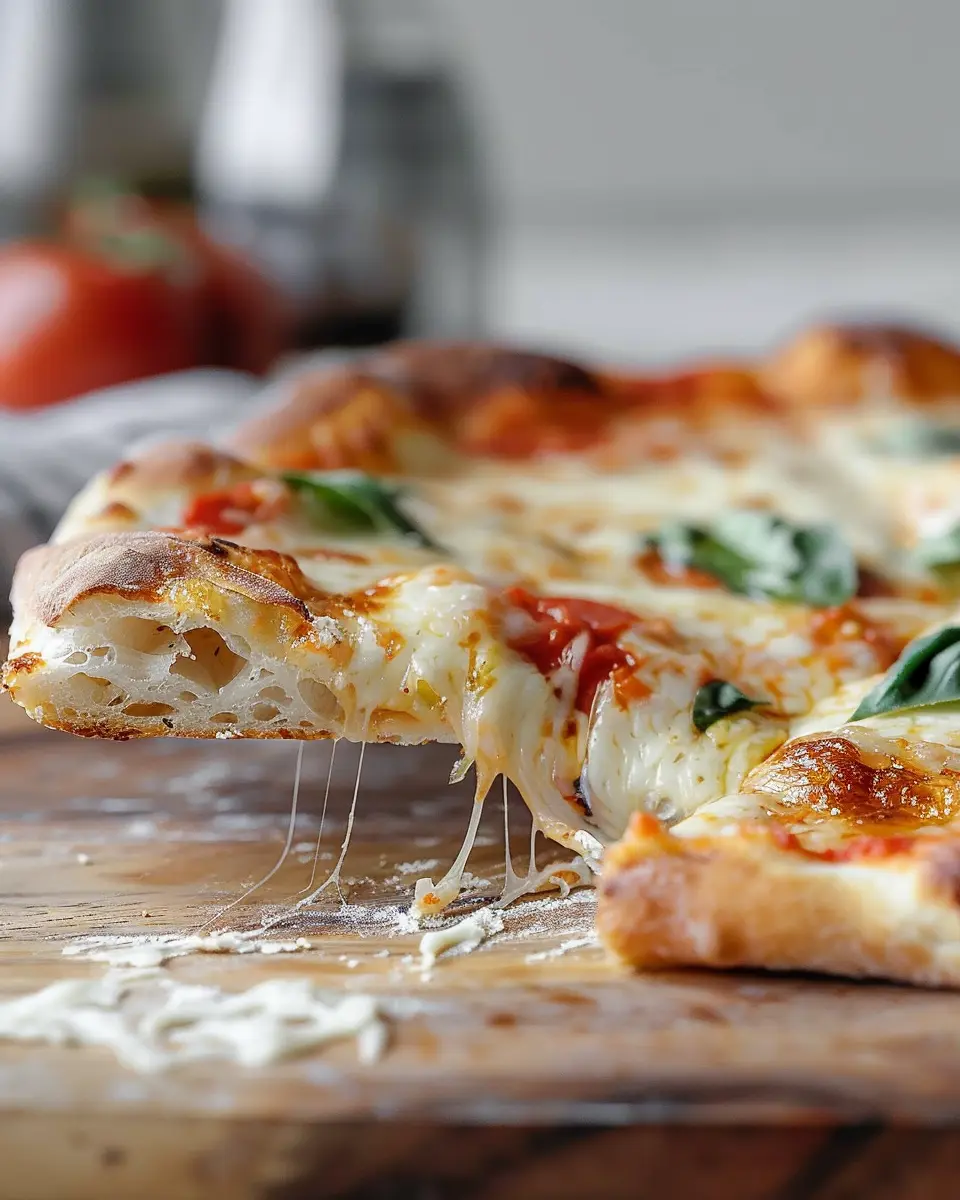
Introduction to Artisan Pizza Dough
Creating homemade pizza can truly be a game-changer for young professionals. After a long day at work, wouldn’t it be nice to swap takeout for something you can whip up in your own kitchen? Artisan pizza dough allows you to take control of your meals, encouraging creativity and personalization. You get to choose your toppings, and you can satisfy those late-night cravings without needing to wait for delivery.
Many of us lead busy lives, but investing just an hour into crafting your own pizza dough pays off tremendously. Making artisan pizza dough from scratch is easier than you might think, and it can become a fun ritual to unwind after a hectic week. Plus, you’ll impress your friends at gatherings by serving fresh, homemade pizzas instead of packaged ones.
The Benefits of Homemade Pizza
Here are a few compelling reasons why you should try making your own pizza:
-
Quality Ingredients: When making artisan pizza dough, you choose everything that goes into your meal, ensuring freshness and quality. Many store-bought doughs contain preservatives and artificial flavors that you can easily avoid.
-
Customization: Who doesn’t love a custom pizza? With homemade dough, you can experiment with a variety of toppings and sauces. Whether it’s pepperoni, turkey bacon, or a medley of fresh vegetables, the choices are endless.
-
Cost-Effective: Ingredients for homemade dough are generally affordable. A simple recipe might include flour, yeast, water, and a pinch of salt. When you compare the cost of making several pizzas at home versus the price of ordering out, you’ll see the savings add up.
-
Building Skills: Making dough is a cooking skill worth mastering. It’s a satisfying process that builds your confidence in the kitchen—perfect for impressing dinner guests or finally taking on that MasterChef dream!
So, why settle for mediocre takeout when you can create a culinary experience right in your own kitchen? Delving into artisan pizza dough not only enhances your cooking skills but allows for endless fun and creativity. Are you ready to roll up your sleeves and start your pizza journey? Check out some tips on selecting the right flour to elevate your dough!
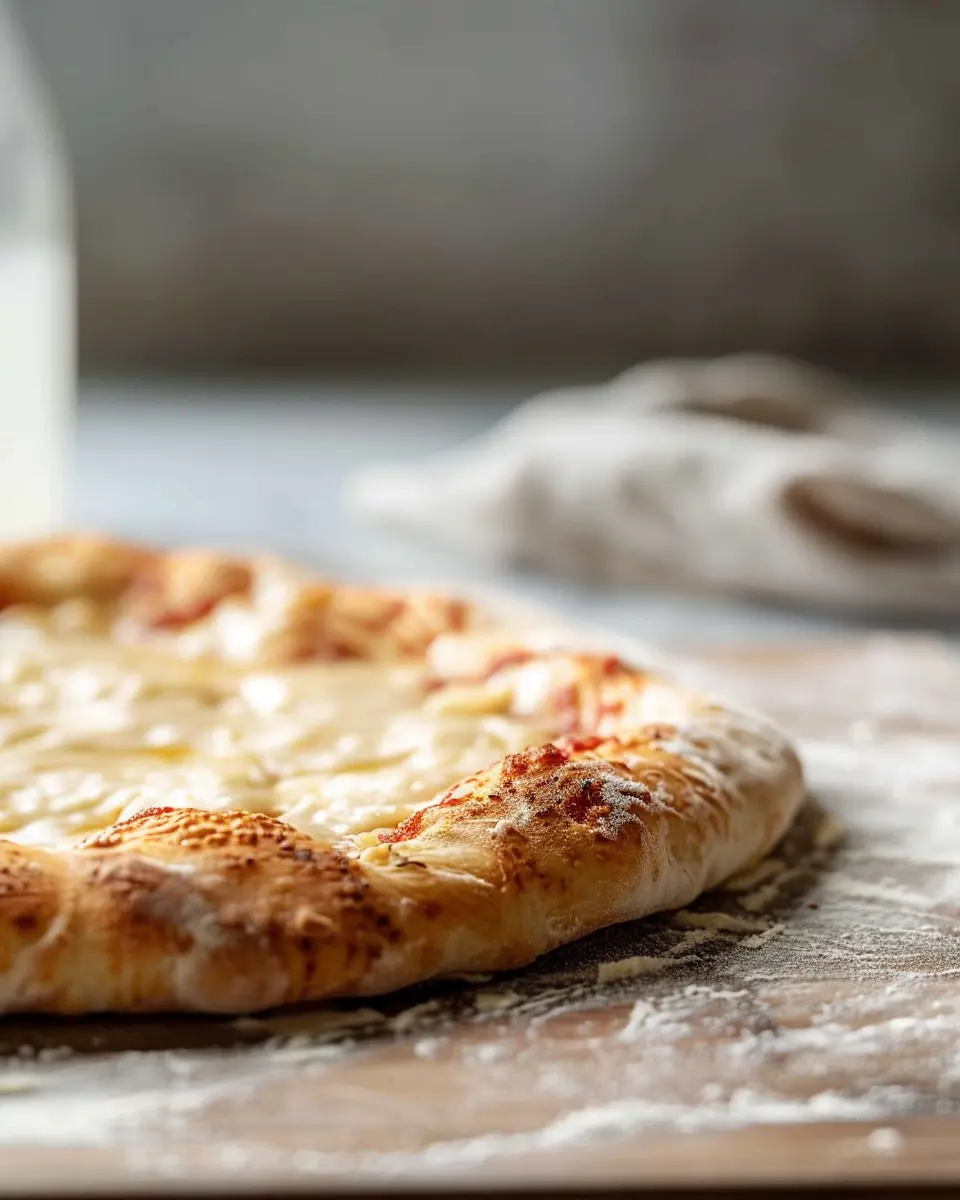
Ingredients for Artisan Pizza Dough
Essential ingredients for the perfect dough
Creating artisan pizza dough starts with the right ingredients. Here’s a quick rundown of what you’ll need to craft that perfect crust:
- Flour: Type “00” flour is best for a soft but crispy crust. It has the right protein content for elasticity. All-purpose flour works if you can’t find it.
- Water: Use cool water; it helps with fermentation. Aim for spring water if you want that extra quality.
- Yeast: Active dry yeast or instant yeast will do the trick! They help the dough rise, creating that airy texture we all love.
- Salt: A crucial flavor enhancer! Sea salt or kosher salt works brilliantly. Avoid using table salt as it can affect fermentation.
- Olive Oil: About a tablespoon adds richness and helps with browning. Choose a good quality extra virgin olive oil for optimal flavor.
With these ingredients, you’ll be on your way to making a dough that’s not just good, but memorable. If you’re curious about the science behind dough fermentation, check out Awesome Eats for detailed insights!
Preparing Artisan Pizza Dough
Creating artisan pizza dough is both a science and an art. The process can feel daunting, but once you dive in, you’ll find joy in the rhythm of mixing, folding, and shaping. Follow this step-by-step guide to get your dough ready for a delicious pizza night!
Mix and Rest the Dough
Start by gathering your ingredients: all-purpose flour, water, yeast, and a touch of olive oil is all you need to make magic happen. Combine these elements in a large mixing bowl. Gently stir until you form a shaggy mixture—don’t worry about it being perfect at this stage.
Once your mixture has come together, it’s crucial to let it rest. This initial resting period, about 30 minutes, allows the flour to hydrate fully. The result? A more elastic dough that’s easier to work with later on. This step is sometimes called “autolyse,” and it’s a favorite among bakers because it lays the foundation for great bread and, of course, pizza!
Incorporate Yeast and Salt
After your dough has rested, it’s time to incorporate the yeast and salt for flavor and rise. In a small bowl, dissolve your yeast in warm water (around 110°F is ideal). Let it sit for about 5 minutes until it becomes frothy—this means your yeast is active and ready to work its magic.
When the yeast is bubbly, add it to your dough along with salt. Mixing at this stage can be done using your hands or a wooden spoon. You’ll notice the dough becoming smoother and more cohesive. Make sure to blend everything well, as the uniform distribution of salt and yeast is key to a beautifully risen dough.
Develop Gluten Through Folding
Now comes the fun part—developing gluten through folding! This technique helps improve the dough’s structure and elasticity. After mixing, let the dough rest for another 30 minutes.
To fold, gently stretch one edge of the dough and fold it over itself. Repeat this method every 30 minutes for about 2-3 hours. Feel free to check out this article on gluten development for a deeper understanding. When finished, your dough should be smooth and have increased in size—this means you’re on the right track!
Shape Your Dough for Rise
Once your dough has risen nicely, it’s time to shape it into rounds for a second rise. Gently turn your dough out onto a floured surface and divide it into equal portions, depending on how many pizzas you plan to make. Shape each portion into a ball by tucking the edges into the center.
Place these dough balls seam-side down on a floured surface or in a lightly greased container. Cover them with a damp cloth or plastic wrap to keep moisture in. Allow them to rise for another hour, or until they’ve nearly doubled in size. This allows your artisan pizza dough to develop flavor and texture, giving you that perfect chewy crust.
Prep the Dough for Baking
Before it’s time to bake, get your oven as hot as possible—around 475°F to 500°F—this mimics a traditional pizza oven. If you have a pizza stone, place it in the oven to preheat as well. You’ll want this stone to absorb all that heat for a crispy bottom!
When your dough is ready and your oven is hot, it’s time to stretch out your dough balls into your desired pizza shape. Use your hands to gently press down and stretch them out, taking care not to push all the air out. The air bubbles give your crust that beautiful texture. Top with your favorite ingredients, and voilà—you’re ready to bake!
By following these steps with intention and care, you’ll be on your way to crafting an incredible artisan pizza dough that will impress everyone at your dinner table. Enjoy the process and the delicious results!
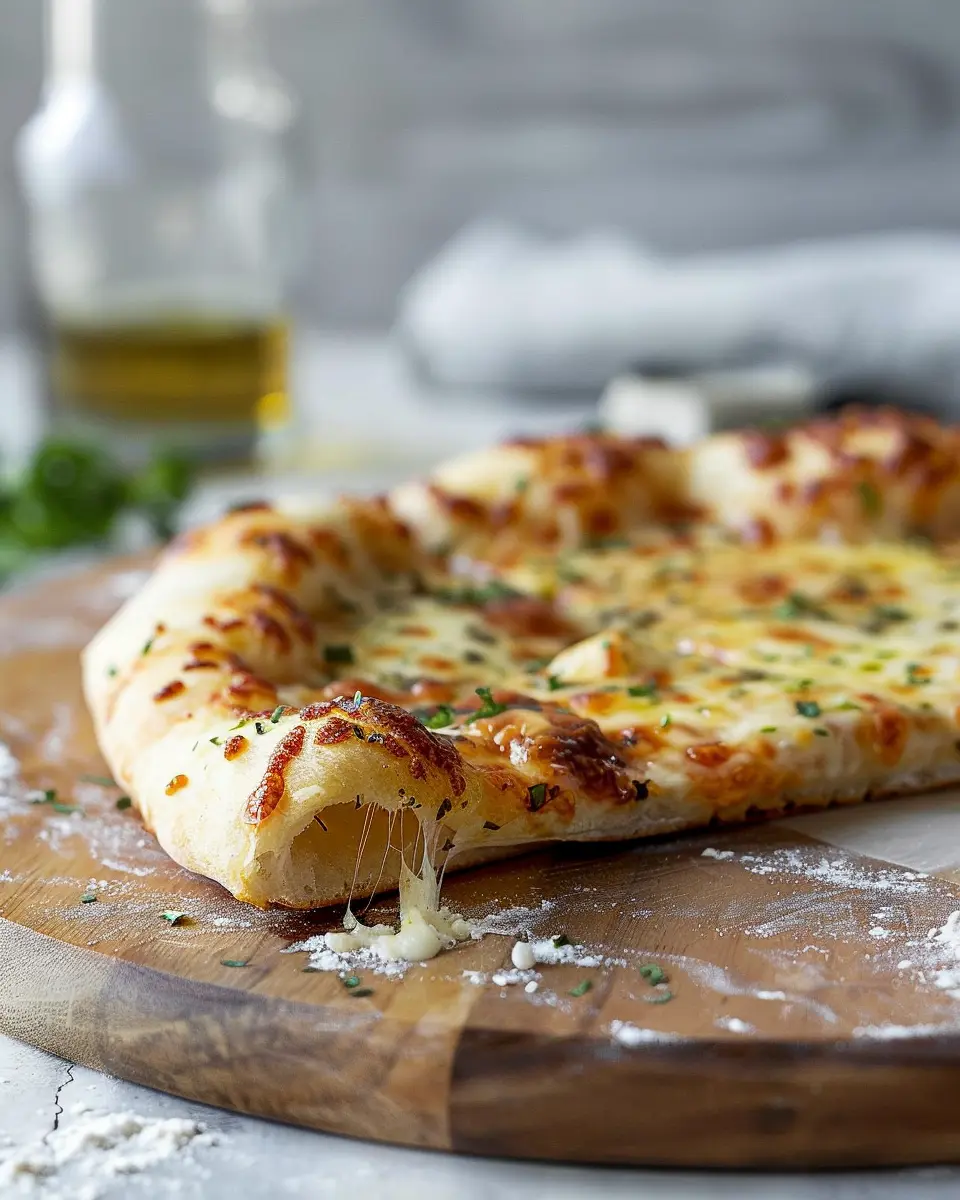
Variations on Artisan Pizza Dough
Creating your own artisan pizza dough at home opens up a world of possibilities. You might think you have to stick with the standard recipe, but there are plenty of flavorful variations to try. Let’s dive into two popular options: whole wheat and gluten-free artisan pizza dough.
Whole Wheat Artisan Pizza Dough
If you’re looking for a more nutritious twist, whole wheat artisan pizza dough is the way to go. It brings a hearty flavor and a slight nuttiness, not to mention a boost of fiber! Here’s how to modify your standard recipe:
- Ingredients: Swap out half or all of the white flour with whole wheat flour. This can help in achieving a denser crust while maintaining that delightful chewiness.
- Hydration: Whole wheat flour often requires slightly more water, so adjust as needed to get a nice, pliable dough.
- Fermentation: Consider letting the dough rise longer to develop deeper flavors. Some bakers recommend a cold fermentation overnight for the best results!
For more tips on whole grain baking, check out the Whole Grains Council here.
Gluten-Free Artisan Pizza Dough
For those with gluten sensitivities or celiac disease, creating a gluten-free artisan pizza dough can be just as rewarding! Here’s how you can adapt your recipe:
- Flour Blend: Use a mixture of gluten-free flours, such as almond flour, brown rice flour, or a store-bought gluten-free flour blend. Look for one that also includes xanthan gum for better texture.
- Moisture Level: Gluten-free flours can absorb more moisture. Keep an eye on the dough consistency and adjust water accordingly.
- Baking Time: Since gluten-free dough can behave differently, be sure to check for doneness a little earlier than you would with traditional dough.
For more insights on gluten-free cooking, visit the Gluten-Free Society here.
By exploring these variations, you’ll not only impress your friends but also cater to different dietary preferences. Happy pizza-making!
Cooking tips for Artisan Pizza Dough
How to achieve the perfect crust
Creating an exceptional artisan pizza dough is quite the rewarding endeavor! Here are some valuable tips to elevate your pizza game.
-
Choose the Right Flour: Opt for high-protein flour like bread flour or Italian “00” flour. Higher protein content aids gluten development, resulting in a chewy, airy crust.
-
Hydration Matters: Aim for a dough hydration of around 60-70%. A hydrated dough will give you those delightful air pockets. If the dough seems too sticky, resist the urge to add extra flour.
-
Knead Properly: Spend 8-10 minutes kneading the dough until smooth and elastic. Not sure how? Try the “windowpane test”: stretch a small piece of dough. If it forms a thin, translucent membrane without tearing, you’re good to go!
-
Fermentation is Key: Let the dough rise slowly in a cool environment. This enhances flavor complexity. A cold fermentation overnight in the fridge might just be your best-kept secret.
By following these tips, you’ll be on your way to mastering the art of artisan pizza dough! Consider checking out resources like Serious Eats for more in-depth techniques and ideas.
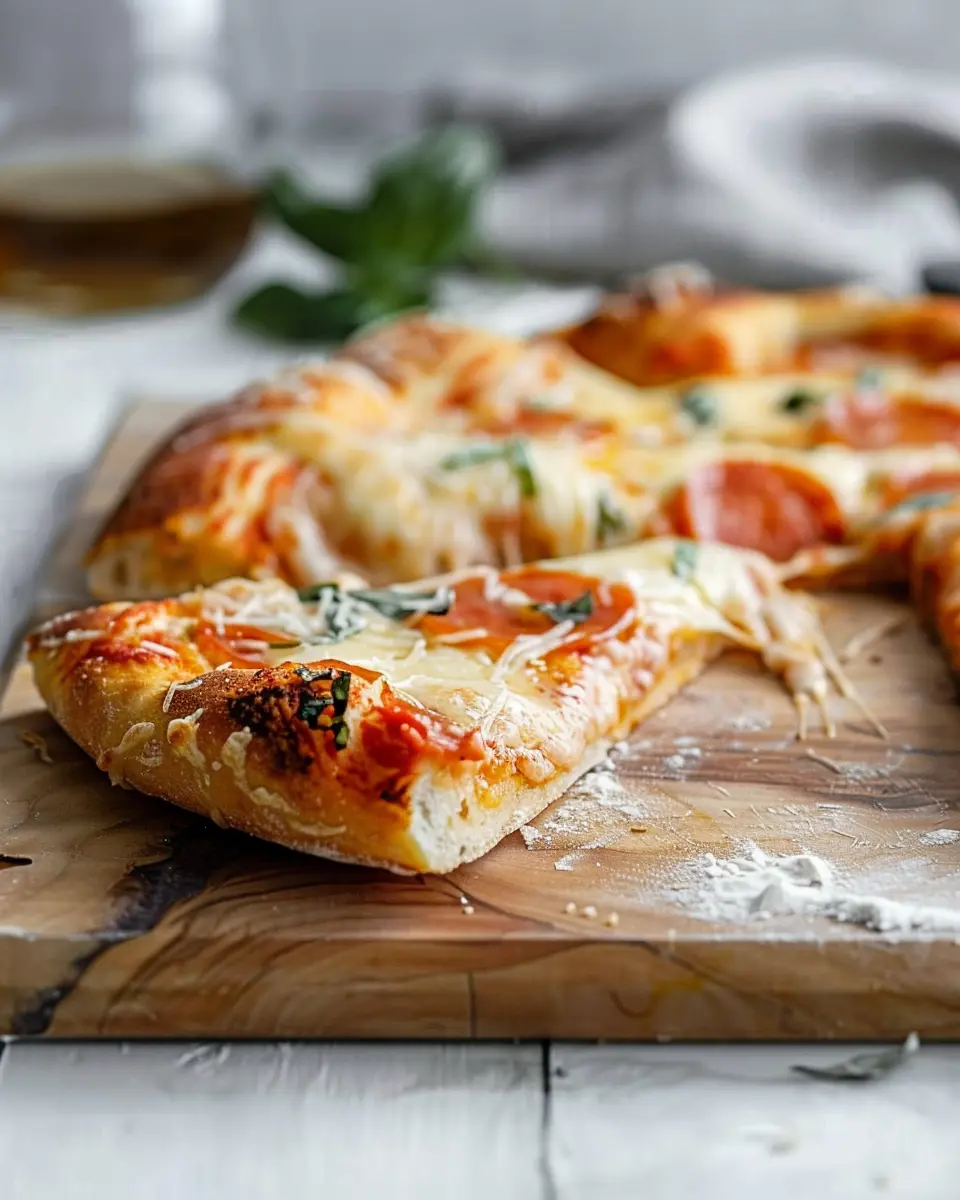
Serving Suggestions for Artisan Pizza
Pairing Artisanal Pizzas with Fresh Salads
When it comes to enjoying your artisan pizza dough creations, elevating the meal with a fresh salad is a fantastic idea. A crisp, colorful salad not only balances the richness of the pizza but also adds a burst of freshness to your dining experience. Here are a few delicious pairings:
-
Mixed Greens with Citrus Dressing: Light mixed greens topped with a zesty lemon vinaigrette can create a refreshing contrast to the savory notes of your pizza.
-
Caprese Salad: Fresh tomatoes, mozzarella, and basil drizzled with balsamic reduction perfectly complement Mediterranean-style pizzas.
-
Quinoa and Roasted Veggie Salad: This hearty dish can add an earthy element to your meal, making it feel more filling and satisfying.
Not only do these salads taste amazing, but they also add nutritional value to your meal. In fact, studies show that incorporating salads can significantly increase your intake of essential vitamins and minerals (read more about it here).
So, next time you whip up an artisan pizza, don’t forget to serve it with a vibrant salad for a delightful and balanced feast!
Time breakdown for Artisan Pizza Dough
When it comes to making the perfect artisan pizza dough, timing is everything. Here’s a quick breakdown to help you plan your culinary adventure.
Preparation time
Getting started with your artisan pizza dough takes about 15 minutes. This includes measuring the ingredients, mixing, and kneading the dough. It’s a fantastic way to unwind after a long day!
Rising time
Let your dough rest and rise for about 1 to 2 hours, depending on the temperature of your kitchen. This time allows the yeast to work its magic, creating those lovely air pockets that make your crust light and airy.
Baking time
Once your dough is ready to go, baking it will take about 10 to 15 minutes. Preheat your oven to a high temperature for best results, achieving that crispy, golden-brown crust we all crave.
Total time
In total, you’re looking at roughly 1 hour and 30 minutes to 2 hours and 30 minutes. This time frame includes all stages from preparation to baking, making it easier for you to carve out some time in your day to create a delicious pizza masterpiece.
For more tips on mastering pizza-making, check out these resources on dough rising techniques and oven settings. Happy pizza crafting!
Nutritional Facts for Artisan Pizza Dough
Understanding the nutritional content of your homemade artisan pizza dough can enhance your overall dining experience. Here’s a breakdown of key nutritional facts to consider:
Calories
One serving of artisan pizza dough typically contains around 220 calories. This means you can enjoy a delicious slice without compromising your health goals.
Protein
For those looking to maintain a balanced diet, each serving offers about 6 grams of protein, which is beneficial for muscle repair and satiety.
Sodium
Be mindful of sodium intake; a standard serving holds approximately 400 milligrams. Opting for lower-sodium ingredients can keep this in check.
Carbohydrates
With around 40 grams per serving, the carbohydrates in artisan pizza dough serve as an excellent source of energy, perfect for a busy day.
If you’re curious about how to make this dough even healthier, you can explore whole grain flours or alternative ingredients for more nutrition. Check out resources from health platforms like Nutrition.gov for more tips!
FAQs about Artisan Pizza Dough
What makes artisan pizza dough different from regular pizza dough?
The charm of artisan pizza dough lies in its meticulous preparation and quality ingredients. Unlike your average dough, artisan varieties often include higher hydration levels, which creates that legendary airy texture. Furthermore, the use of specialty flours—like bread flour—enhances flavor and chewiness. This traditional method involves longer fermentation times, allowing the dough to develop complex flavors that you simply won’t find in standard mixes. If you’re curious to dive deeper into the science and artistry behind it, Serious Eats has some great articles!
Can I freeze artisan pizza dough?
Absolutely! If you’ve made a large batch of artisan pizza dough and want to save some for later, freezing is a fantastic option. Just make sure to divide the dough into smaller portions and wrap them tightly in plastic wrap before placing them in a freezer-safe bag. When you’re ready to use it, let it thaw in the fridge overnight. It’ll take some time to rise again, but the wait is worth it!
How do I know if my dough has risen enough?
Rising dough is all about the feel and look. The ideal artisan pizza dough should double in size, which usually takes around 1 to 2 hours, depending on the temperature of your kitchen. A good test is to gently poke the dough; if it springs back slowly and leaves a small indent, you’re good to go! Don’t rush this process; the development of flavor is just as important as the rise itself.
Incorporating these tips will elevate your pizza-making game and give your creations that authentic touch. Happy baking!
Conclusion on Artisan Pizza Dough
Embrace the joy of homemade pizza!
Crafting your own artisan pizza dough is a rewarding experience that brings people together. Imagine the aroma filling your kitchen as you knead the dough, a sensory delight that enhances not just your meal but your whole evening. With just a few ingredients, you can create a foundation for countless topping combinations, from classic tomato sauce to adventurous options like turkey bacon or chicken ham.
Making pizza at home is not only a fun activity but also allows you to control the quality of your ingredients, making it a healthier option. Whether you’re hosting a gathering or enjoying a low-key night in, this dough recipe invites creativity and flavors that go beyond the ordinary. So roll up your sleeves, grab your favorite toppings, and enjoy the satisfaction of making pizza that’s truly your own. If you’re looking for more cooking inspiration, check out resources like Serious Eats or Bon Appétit for endless possibilities!
Printartisan pizza dough: the easy way to homemade gourmet pizza

Learn how to make artisan pizza dough at home with this easy recipe that guarantees gourmet results.
- Prep Time: 20 minutes
- Cook Time: 15 minutes
- Total Time: 2 hours 35 minutes
- Yield: 2 large pizzas 1x
- Category: pizza
- Method: baking
- Cuisine: Italian
- Diet: vegetarian
Ingredients
- 4 cups all-purpose flour
- 1 and 1/2 cups warm water
- 2 teaspoons sea salt
- 1 teaspoon sugar
- 1 packet active dry yeast
Instructions
- In a bowl, combine warm water, sugar, and yeast. Let it sit for 5 minutes until foamy.
- Add flour and sea salt, and mix until combined.
- Knead the dough on a floured surface for about 10 minutes.
- Place in a greased bowl, cover, and let it rise for 1-2 hours until doubled in size.
- Punch down the dough, shape it, and let it rest for another 30 minutes before rolling out.
Notes
- For best results, use a kitchen scale for measuring ingredients.
- Resting the dough enhances flavor and texture.
Nutrition
- Serving Size: 1 slice
- Calories: 200
- Sugar: 1g
- Sodium: 300mg
- Fat: 2g
- Saturated Fat: 0.5g
- Unsaturated Fat: 1g
- Trans Fat: 0g
- Carbohydrates: 38g
- Fiber: 2g
- Protein: 7g
- Cholesterol: 0mg
Keywords: artisan pizza dough, homemade pizza, gourmet pizza