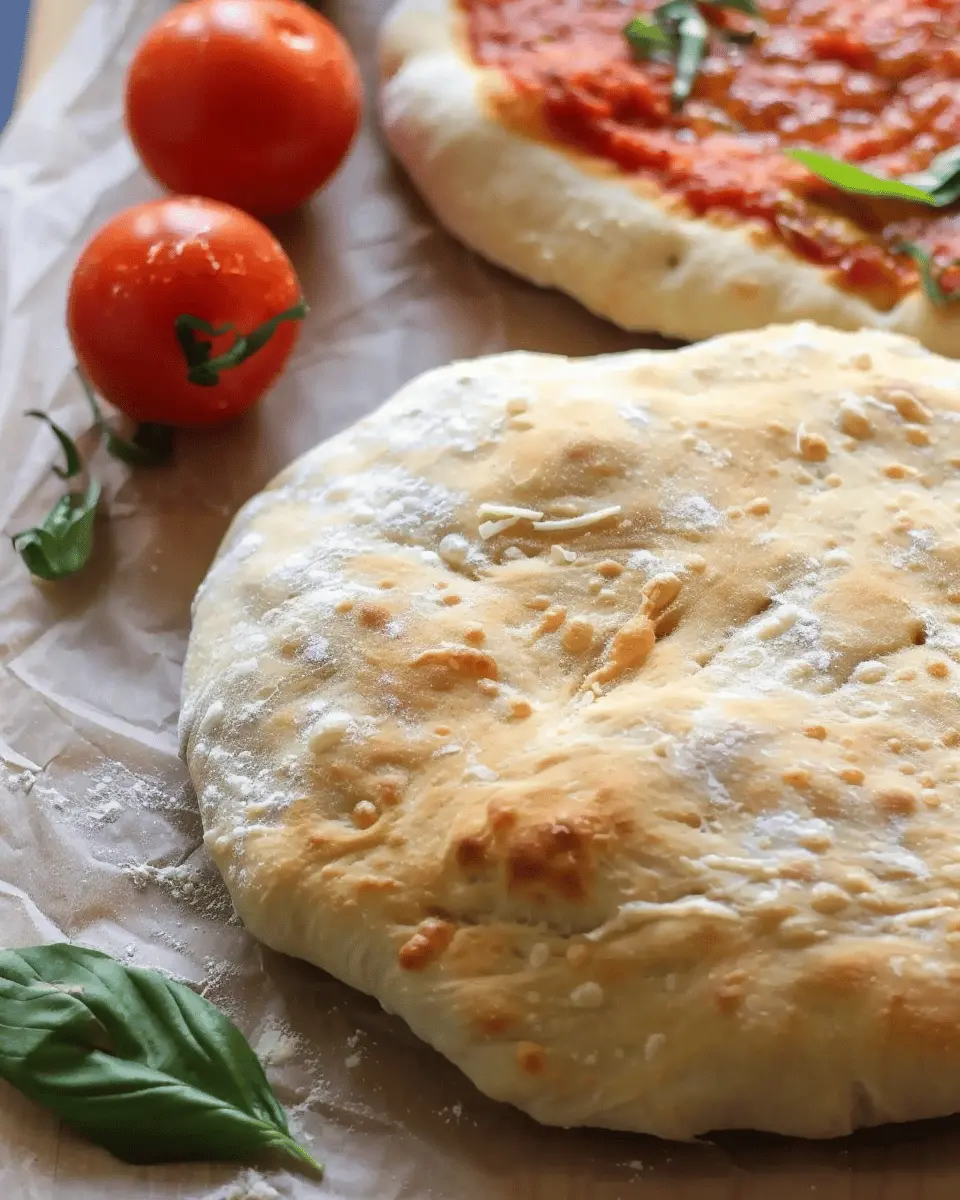
Introduction to the Best Homemade Pizza Dough
When was the last time you savored a slice of pizza so delicious that it lingered in your memory long after? If you’re nodding your head, it’s high time we talk about how preparing the best homemade pizza dough can transform your pizza game. Store-bought options may be convenient, but nothing beats the flavor, texture, and satisfaction of crafting your own dough from scratch.
Why Homemade Pizza Dough is a Game-Changer
Let’s face it: your pizza begins and ends with the dough. This foundational component can make or break your experience. By making your own dough, you have complete control over the quality of your ingredients. You can opt for organic flour, adjust the salt, or add herbs for extra flavor. Plus, you can avoid those pesky additives often found in commercial dough.
Crafting the best homemade pizza dough also unlocks endless creative possibilities. Want a whole wheat crust? No problem! Craving a gluten-free option? Easily done! The flexibility allows you to tailor each pie to your taste, ensuring that every pizza night is a delightful adventure.
Homemade dough is surprisingly simple to make, requiring just a handful of basic ingredients: flour, yeast, water, salt, and sometimes a little olive oil or sugar to enhance flavors. The magic happens when you mix and knead these elements; the act of working the dough releases the gluten, resulting in that perfect chewiness we all love. For tips on mastering the dough-making process, check out this guide on make-your-own pizza dough.
Here’s a fun fact: Did you know that pizza is one of the most popular foods in the world? According to a 2022 survey, approximately 83% of Americans indulge in pizza at least once a month! Why not make it exceptional with your very own homemade base?
By trying your hand at pizza dough, not only will you impress friends and family, but you might also discover a new favorite pastime. So roll up your sleeves and get ready for a culinary adventure that you won’t forget. Who knows, you might even find yourself perfecting your own signature dough recipe!
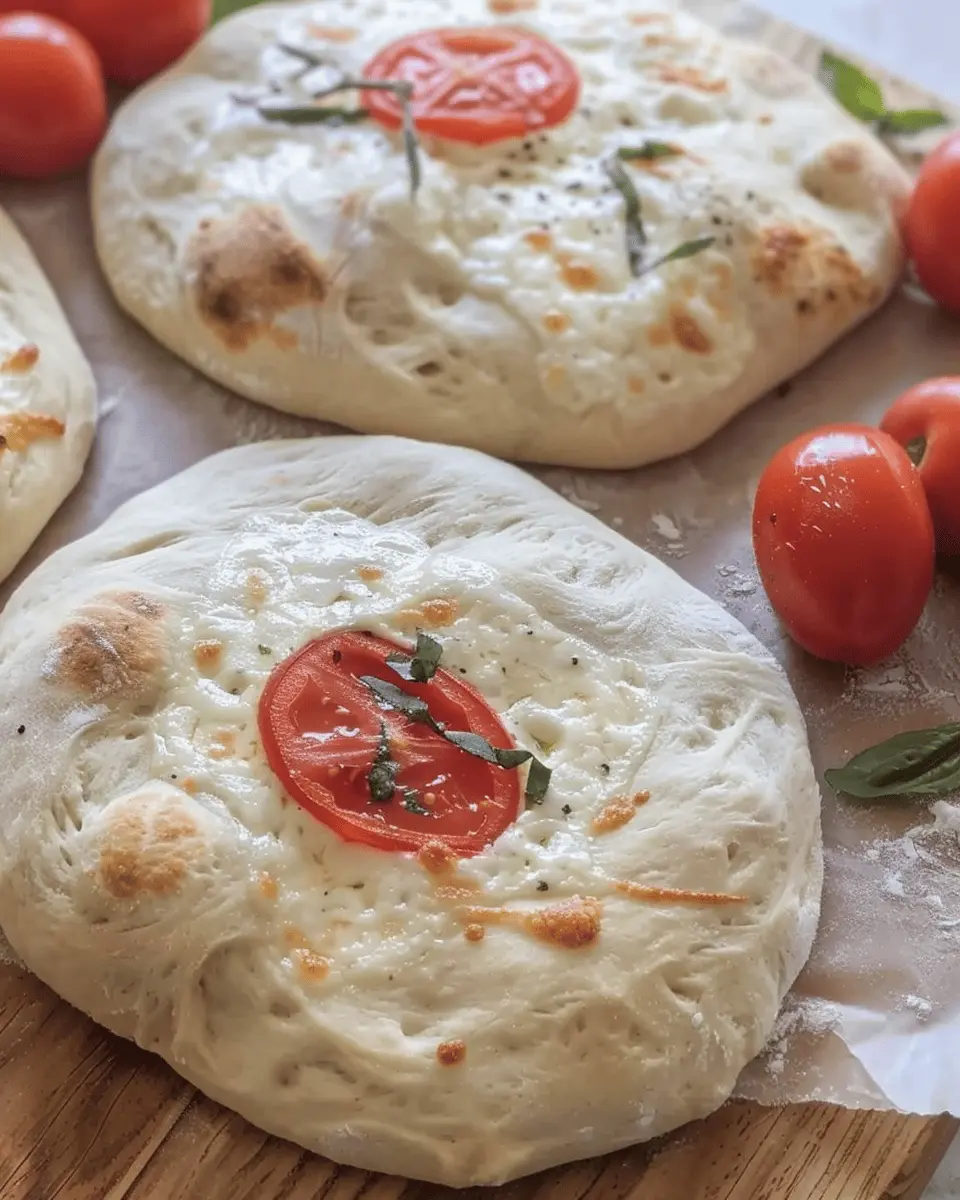
Ingredients for the Best Homemade Pizza Dough
When you’re on a quest for the best homemade pizza dough, the right ingredients can make all the difference. Let’s dive into what you’ll need!
Essential Ingredients for the Dough
To create that perfect base, here are the must-haves:
- Flour: All-purpose flour is a classic choice, but bread flour gives you that irresistible chewiness.
- Water: Warm water activates the yeast, so aim for a temperature between 100°F and 110°F (think of a cozy bath for your dough!).
- Yeast: Active dry yeast will make your dough rise beautifully.
- Salt: Essential for flavor; it also helps control yeast activity.
- Olive Oil: A splash of high-quality olive oil adds richness and a lovely texture.
Why not read more about flour types for baking here?
Optional Ingredients for Variations
Want to switch it up? Consider these fun additions:
- Sugar: A teaspoon enhances browning and flavor.
- Herbs: Dried oregano or basil can infuse a delightful aroma.
- Whole Wheat Flour: For a healthier twist, combine it with all-purpose flour.
Experiment with these options to find your personal favorite! What unique twist will you add to your best homemade pizza dough?
Step-by-Step Preparation of Pizza Dough
Making the best homemade pizza dough from scratch is one of the most rewarding experiences in the kitchen. Even if you’re a beginner, this step-by-step guide will help you create a delicious base for your favorite toppings. Let’s dive into the process!
Activate the yeast
To start, you’ll want to wake up your yeast. This is crucial since yeast is what makes the dough rise. Here’s how to do it:
- Warm Water: Begin by measuring out 1 cup of warm water (about 110°F). You don’t want it too hot; otherwise, it can kill the yeast.
- Add Yeast and Sugar: Stir in 2 teaspoons of active dry yeast and 1 teaspoon of sugar into the warm water. The sugar will fuel the yeast, helping it to activate and froth up. Let this mixture sit for about 5-10 minutes until it becomes foamy. If it doesn’t foam, your yeast may be inactive—so it’s worth double-checking!
Combine wet and dry ingredients
Now it’s time to bring everything together. In a large mixing bowl, you’ll combine your ingredients as follows:
- Dry Ingredients: In a separate bowl, mix 3 cups of all-purpose flour, 1 teaspoon of salt, and 1 teaspoon of olive oil. The olive oil not only adds flavor but also contributes to a softer dough.
- Mix Together: Create a well in the center of your flour mixture and pour in the yeast mixture. Using a fork or your hands, combine until a shaggy dough forms. Don’t worry if it looks a bit messy; that’s a sign of good things to come!
Knead the dough
Kneading is where the magic happens. It develops the gluten, giving your pizza crust that delightful chewiness.
- Flour Your Surface: Lightly flour a clean countertop or a large cutting board.
- Knead: Turn out your dough onto the floured surface and knead it for about 8-10 minutes. You want it to be smooth and elastic. If it’s sticking too much, sprinkle a bit more flour as needed. A good test is when you can poke it with your finger and it springs back!
Let it rise
Once kneaded, it’s time for one of the most satisfying steps—letting your dough rise.
- Prepare to Rise: Lightly coat a bowl with olive oil, place your dough in the bowl, and cover it with a clean kitchen towel or plastic wrap.
- Rise Time: Allow it to rise in a warm place for about 1 to 1.5 hours, or until it has doubled in size. You might be wondering, “How can I find a warm space?” Try your oven turned off with just the light on, or near a sunny window.
Punch down and divide the dough
Now that your dough has risen, it’s time to deflate it gently. This is often called “punching down,” but think of it as giving your dough a gentle hug.
- Deflate: Gently press down on the dough to release any large air bubbles.
- Divide: Depending on how big you want your pizzas, divide the dough into two or four equal pieces. We recommend two for thicker crusts and four for a thinner, crispier pizza.
Shape the dough for baking
Finally, it’s time to shape your pizza dough into a base that is ready for your favorite toppings.
- Shape: Take one piece of dough and start pressing it into a flat disc. Use your fingers to stretch it outwards, rotating to maintain a circular shape.
- Roll Out: If you prefer a thinner crust, lightly roll it out with a rolling pin, being careful to not overwork the dough.
- Bake Off: Once shaped, place your dough on a pizza stone or baking sheet lined with parchment paper. Preheat your oven to the hottest setting (usually around 475°F or higher) for an excellent crispy finish.
Now that you have your best homemade pizza dough ready to go, choose your favorite toppings, bake it to perfection, and enjoy the fruits of your labor! There’s nothing quite like the satisfaction of pulling a homemade pizza out of the oven—trust me, it’s worth every step.
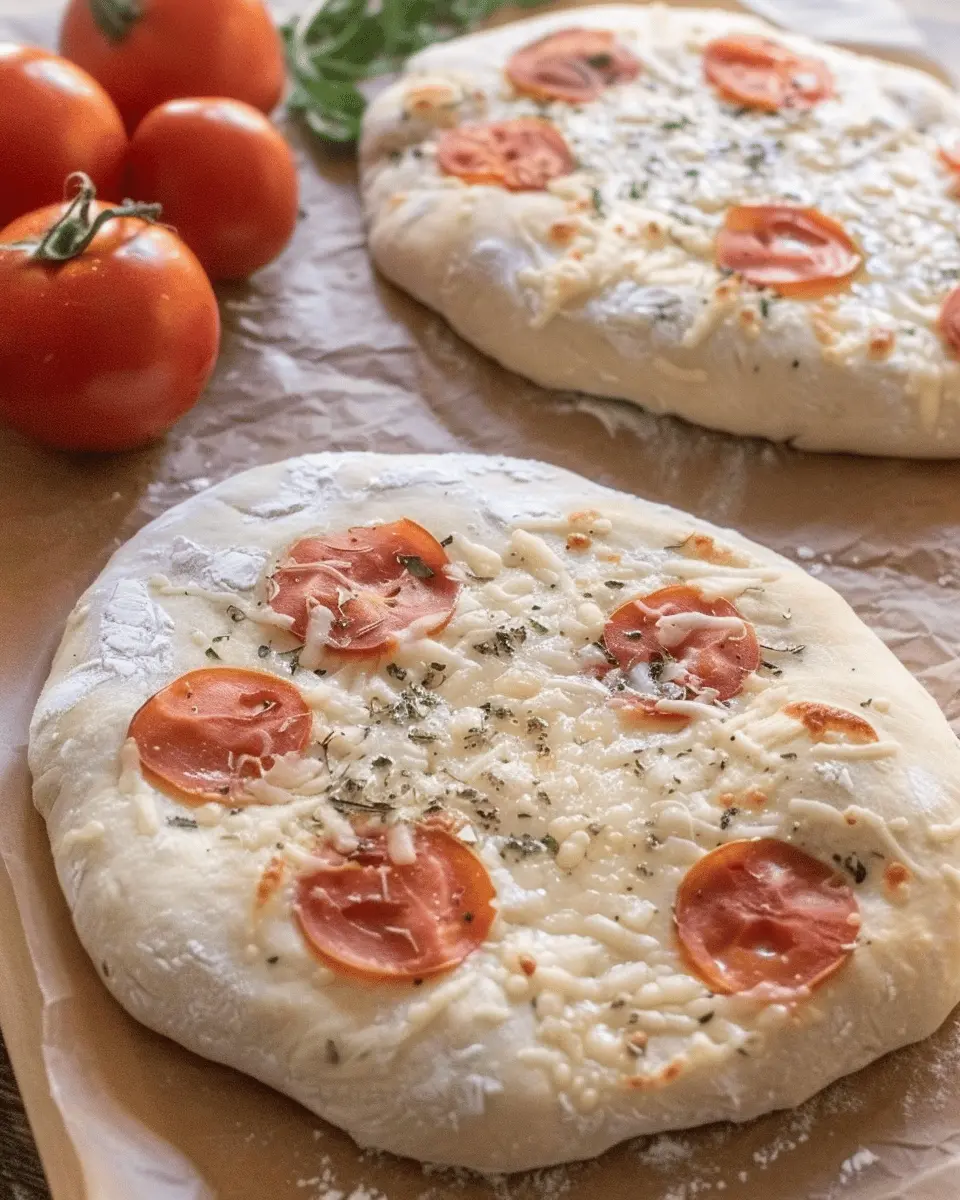
Variations of Pizza Dough
When it comes to the best homemade pizza dough, there’s an exciting world of variations to explore. Whether you’re looking for something healthier, flavorful, or suitable for dietary restrictions, there’s a perfect dough recipe that fits your needs.
Whole Wheat Pizza Dough
If you’re aiming for a healthier option, whole wheat pizza dough is a fantastic choice. Compared to traditional white flour, whole wheat flour retains more nutrients and fiber, which can help you feel fuller and more energized. Combine equal parts of whole wheat flour and all-purpose flour for a balanced texture. This change can also lend a delightful nutty flavor to your crust.
Herb-Infused Pizza Dough
For those who want to elevate their homemade pizza experience, herb-infused pizza dough is a game changer. Simply add dried herbs like oregano, basil, or even garlic powder to the dough mixture. This not only adds aromatic flair but also complements your toppings beautifully. Imagine biting into a crust that’s bursting with savory flavor—now that’s a slice worth sharing.
Gluten-Free Pizza Dough Alternatives
Navigating a gluten-free lifestyle doesn’t mean skipping out on pizza night. There are plenty of best homemade pizza dough alternatives that use gluten-free flours like almond flour, coconut flour, or chickpea flour. Many recipes recommend adding xanthan gum to mimic the elasticity of traditional dough. Experimenting with these flours can yield a delicious crust that even non-gluten-free eaters will love.
For tips on creating the perfect pizza, check out this guide from the American Heart Association that adds even more insights into healthy cooking practices. Remember, the beauty of pizza lies in its versatility—so don’t hesitate to tweak these dough variations to suit your taste!
Cooking Tips and Notes for Pizza Dough
The importance of temperature
When making the best homemade pizza dough, temperature plays a crucial role. Using warm water (around 110°F or 43°C) helps activate the yeast, leading to that perfect rise. If the water is too hot, it can kill the yeast; too cold, and it won’t activate properly. A cozy room temperature is also ideal for letting your dough rise, usually around 75-80°F (24-27°C). Have you ever noticed how warm weather can make your dough rise faster? A little warmth goes a long way!
Common mistakes to avoid
While whipping up your best homemade pizza dough can be fun, certain missteps can derail your efforts:
- Using stale yeast: Always check the expiration date. Fresh yeast gives the best results.
- Not kneading enough: A well-kneaded dough is key to achieving that lovely chewy texture. Don’t skip this step!
- Overworking it: If your dough feels tough, you may have kneaded too much. Give it a gentle touch.
For great additional tips on bread dough, check out King Arthur Baking. Enjoy the process, and soon you’ll be serving up delicious, homemade pizzas with confidence!
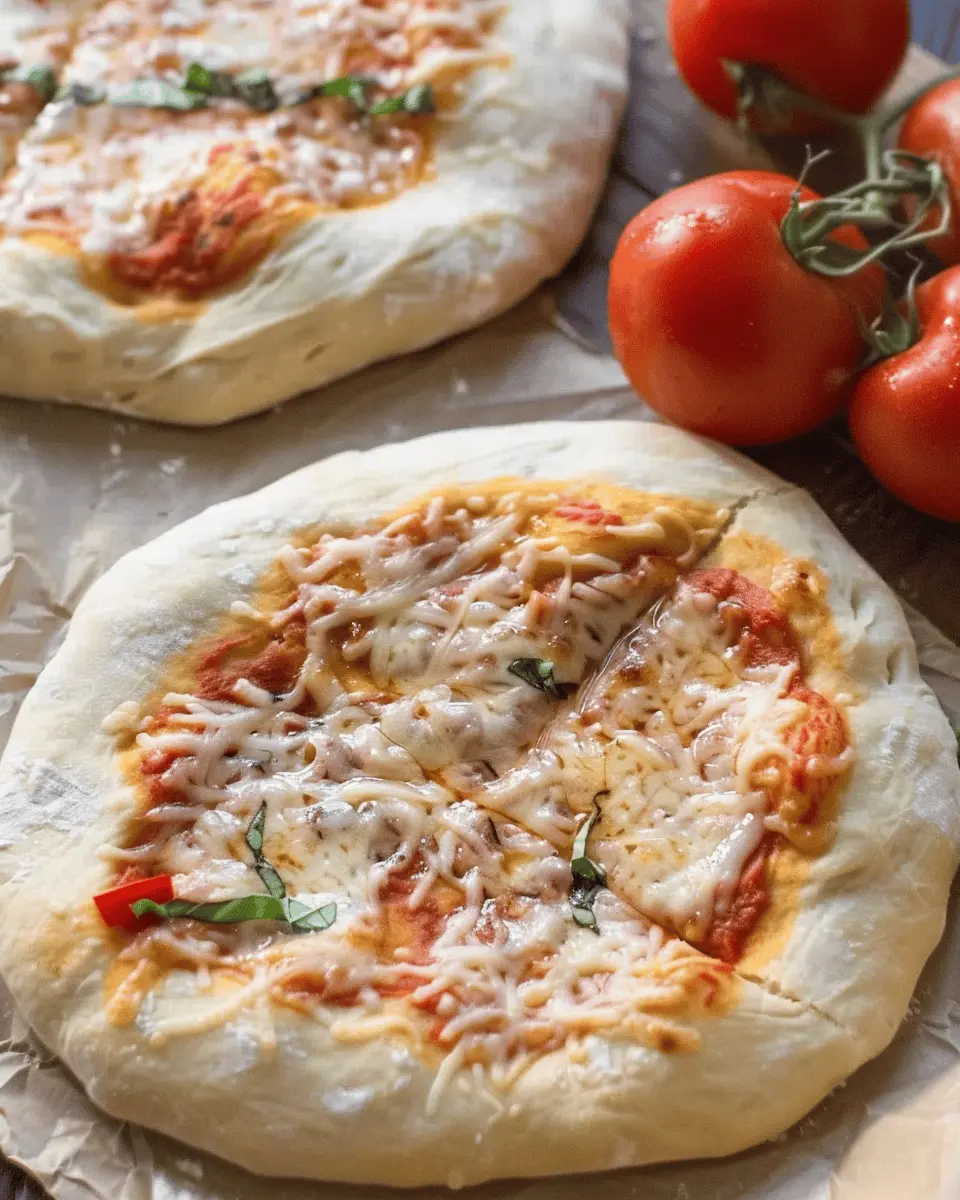
Serving Suggestions for Homemade Pizza
Classic toppings to try
When you’re working with the best homemade pizza dough, classic toppings are always a hit! They provide that timeless flavor combination your taste buds crave. Here are some must-try options:
- Margherita: Fresh mozzarella, tomatoes, and basil—simple yet divine.
- Pepperoni: A go-to favorite, the spicy kick pairs perfectly with gooey cheese.
- Chicken Ham: A lighter alternative, it adds a savory touch that complements other ingredients.
- Turkey Bacon: For that crispy crunch without the extra fat, it’s a perfect fit.
These classic toppings ensure your pizza crosses the threshold from good to unforgettable.
Creative topping combinations
Ready to take your pizza experience up a notch? Don’t shy away from experimenting! Here are some creative topping ideas that work wonders on your best homemade pizza dough:
- BBQ Chicken: Combine shredded chicken ham with barbecue sauce, red onions, and cilantro for a zesty profile.
- Mediterranean Delight: Load up on olives, feta cheese, spinach, and a drizzle of olive oil for a fresh twist.
- Spicy Veggie: Toss on jalapeños, bell peppers, and a sprinkle of chili flakes for a fiery kick.
Feeling adventurous? Try pairing these toppings with different sauces or crusts for your unique creation! All it takes is a bit of imagination and you’ll have a pizza party no one will forget. For more unique ideas, check out resources like Serious Eats. Happy pizza-making!
Time Breakdown for Making Pizza Dough
Preparation Time
Making the best homemade pizza dough isn’t just about the final result; it’s about the journey! You’ll spend about 15 minutes prepping the ingredients and combining them for that perfect dough.
Rising Time
Patience is key here! Let the dough rise for 1 to 1.5 hours in a warm place. This allows it to develop flavor and achieve that delightful texture.
Total Time
In total, you’re looking at around 1 hour and 45 minutes (including rising) before you unleash your creativity on toppings. That’s a small investment for the satisfaction of creating your own pizza masterpiece! Life is too short for mediocre pizza—why not make it the best homemade pizza dough you can? If you’re curious about the science of dough rising, check out this article from the American Institute of Baking.
Embrace the process, and don’t hesitate to experiment!
Nutritional Facts for Pizza Dough
When it comes to making the best homemade pizza dough, understanding its nutritional profile can help you enjoy every slice guilt-free. Here’s a quick rundown of the essential facts.
Calories per serving
Each serving of pizza dough typically contains around 150-200 calories, making it a relatively light option when you crave a slice of comfort food.
Carbohydrates and protein content
You’ll find about 30 grams of carbohydrates in one serving, which provides essential energy. Protein content hovers around 5-6 grams, contributing to muscle repair and growth after a workout.
Important vitamins and minerals
Homemade pizza dough offers a variety of vitamins and minerals, including:
- B vitamins for energy metabolism
- Iron for improved oxygen transport
- Magnesium for muscle health
These nutrients support overall vitality and well-being. So, whether you’re whipping up a classic Margherita or experimenting with toppings, knowing the stats can help you make your pizza night both delicious and balanced.
For more on the health benefits of different ingredients, check out resources like NutritionData and Healthline. Enjoy your cooking!
FAQs about Homemade Pizza Dough
How long can I store pizza dough?
One of the great things about the best homemade pizza dough is its versatility, including how long it can stay fresh. Typically, if you’ve placed your pizza dough in the fridge, it can last for about 3 to 5 days. Just make sure to store it in an airtight container or wrap it tightly in plastic wrap to prevent it from drying out. If you notice any changes in texture or a sour smell, it’s time to toss it out.
Can I freeze pizza dough?
Absolutely! Freezing your pizza dough is a fantastic way to prepare for spontaneous pizza nights. Simply shape the dough into a ball, wrap it tightly in plastic wrap, and place it in a freezer bag before popping it into the freezer. It can last up to 3 months. When you’re ready to use it, thaw the dough in the fridge overnight or leave it at room temperature for a couple of hours until it’s easy to work with.
What’s the secret to a crispy crust?
Achieving that perfect crispy crust often comes down to a few essential tips. First, consider using a pizza stone or a preheated baking sheet in a hot oven (around 475°F to 500°F) for that ideal heat. Additionally, avoid overloading your pizza with toppings, as this can create excess moisture. A sprinkle of cornmeal on the baking surface can also help prevent sticking while adding a delightful crunch.
For more helpful tips on homemade pizza techniques, you might find resources from Serious Eats or America’s Test Kitchen useful. Enjoy your pizza-making adventure!
Conclusion on the Best Homemade Pizza Dough
Why pizza night can be the best night of the week
There’s something inherently special about dedicating a night to homemade pizza. Whether it’s the joy of kneading dough or the excitement of selecting toppings like fresh vegetables, turkey bacon, or chicken ham, every step fosters creativity and togetherness. Plus, sharing laughs over a hot, cheesy slice makes for lasting memories.
The best homemade pizza dough is your trusty companion on these fun-filled evenings. With a few simple ingredients and some patience, you can impress your friends and family. So, gather around the kitchen, unleash your toppings, and enjoy the deliciousness you’ve created—all while bonding over this classic dish. For more inspiration, check out The Spruce Eats for additional recipes and tips!
PrintBest Homemade Pizza Dough: Easy and Delicious Family Recipe

Learn how to make the best homemade pizza dough that is easy and delicious, perfect for family pizza nights.
- Prep Time: 15 minutes
- Cook Time: 20 minutes
- Total Time: 1 hour 35 minutes
- Yield: 2 pizza crusts 1x
- Category: Pizza
- Method: baking
- Cuisine: Italian
- Diet: vegetarian
Ingredients
- 2 cups all-purpose flour
- 1 teaspoon salt
- 1 teaspoon sugar
- 1 packet active dry yeast
- 3/4 cup warm water
- 1 tablespoon olive oil
Instructions
- In a mixing bowl, combine warm water, sugar, and yeast. Let it sit for about 5 minutes until bubbly.
- Add olive oil, salt, and flour. Mix until a dough forms.
- Knead on a floured surface for about 5 minutes.
- Place the dough in a greased bowl, cover, and let it rise for 1 hour.
- Preheat your oven to 475°F (245°C).
- Roll out the dough to your desired thickness and shape on a floured surface.
- Add your favorite toppings and bake for 15-20 minutes until golden brown.
Notes
- For a chewier crust, let the dough rise longer.
- Experiment with different flours like bread flour for different textures.
Nutrition
- Serving Size: 1 slice
- Calories: 200
- Sugar: 1g
- Sodium: 300mg
- Fat: 4g
- Saturated Fat: 0.5g
- Unsaturated Fat: 3g
- Trans Fat: 0g
- Carbohydrates: 38g
- Fiber: 2g
- Protein: 6g
- Cholesterol: 0mg
Keywords: Best Homemade Pizza Dough, Easy Pizza Dough, Family Recipe