Introduction to Empanada Dough
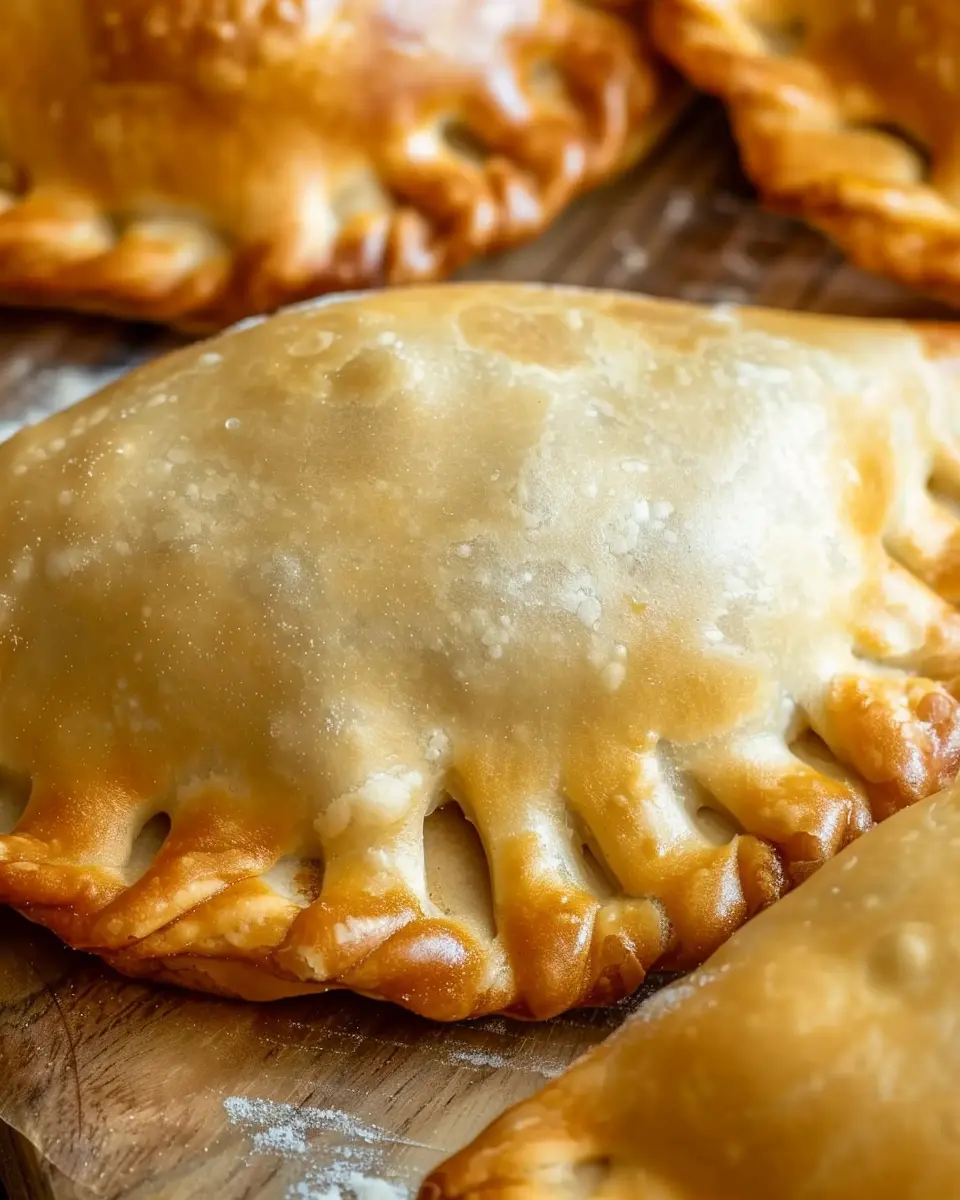
Empanada dough might just be the game changer you didn’t know your kitchen needed. If you’ve ever craved that crispy, flaky envelope of goodness filled with savory ingredients, then mastering this dough is an essential step for transforming your homemade meals. But what makes empanada dough so special? Well, it’s all about versatility and convenience!
First off, empanada dough is incredibly adaptable. Whether you’re in the mood for a beef, turkey bacon, or chicken ham filling, this dough can do it all. You can easily customize the flavor by adding your favorite spices or herbs directly into the dough itself or complementing the filling. That’s right—each bite can be a unique culinary adventure tailored just to you. Plus, making the dough from scratch means that you can avoid any preservatives or unhealthy additives often found in store-bought versions.
One of the most appealing aspects is its simplicity. The basic ingredients usually include flour, water, salt, and fat (typically butter or oil). These are items you likely already have at home. If you want to take your dough to the next level or learn more about the nuances of different dough recipes, a great resource is Serious Eats which provides fantastic insights and variations.
Now, let’s talk practicality. Once you’ve made your empanada dough, it can be rolled out and filled with just about anything you can dream up! From classic savory options to sweet treats that could rival your favorite dessert, the possibilities are endless. Moreover, you can prepare a large batch and freeze the dough for later use. This makes it an ideal option for meal prepping—throwing a few empanadas together at the end of a long day can be a real lifesaver.
So, whether you’re looking to impress at your next dinner party or just want a delicious snack to enjoy at home, taking the plunge to make your own empanada dough is definitely worth it. Get ready to create mouthwatering masterpieces that are sure to please everyone at the table!
Ingredients for Empanada Dough
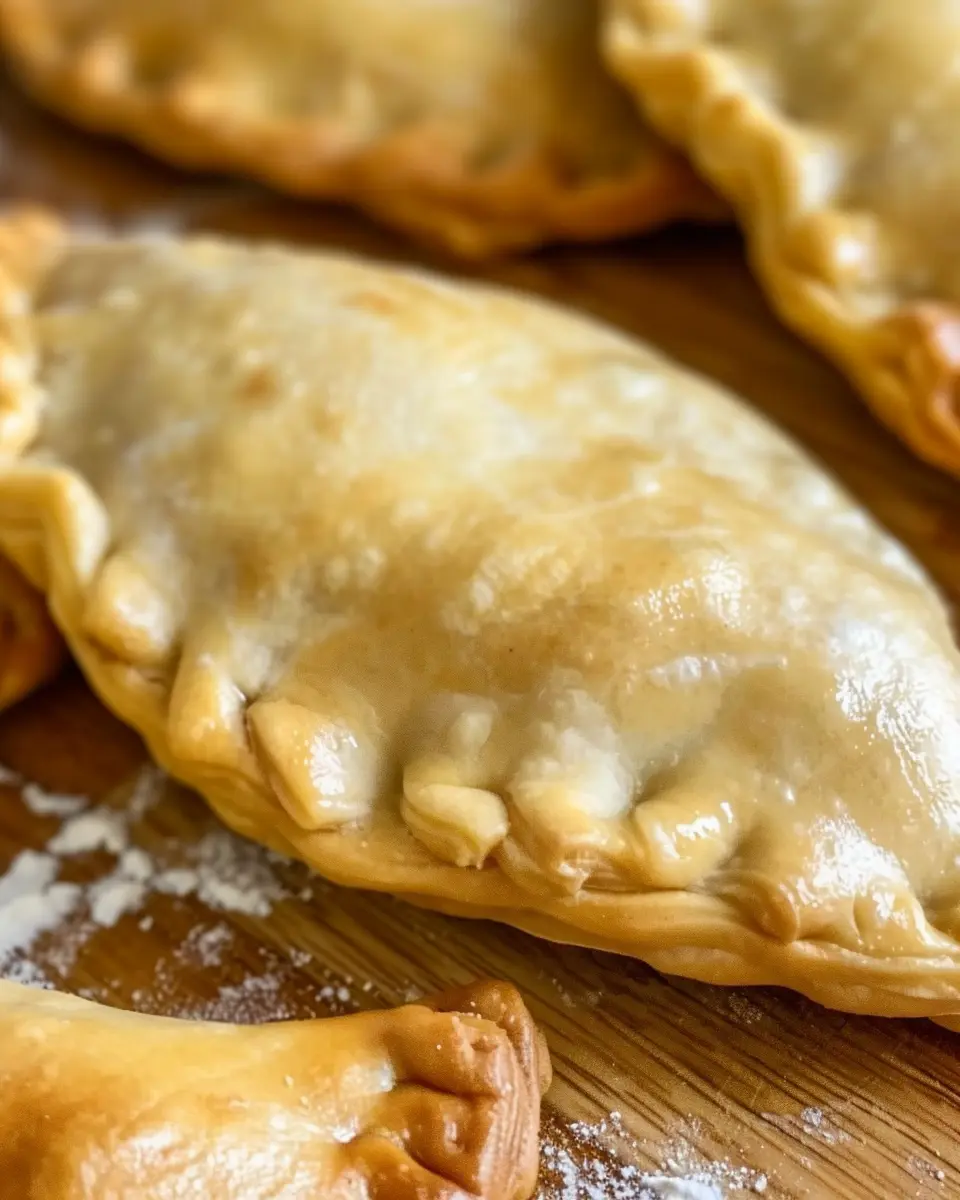
Essential ingredients for the perfect dough
Creating empanada dough is easier than you might think! Just a handful of key ingredients will lead you to a flaky, delicious pastry that will impress everyone at your next gathering. Here’s what you’ll need:
- All-purpose flour: The base of your dough, giving it structure and the right texture.
- Salt: Enhances flavor, making your empanadas truly sing.
- Cold butter or vegetable shortening: This is crucial for that flaky texture; be sure to keep it cold!
- Water: Just enough to bring the dough together; ice water is best to maintain that chill.
- Egg yolks (optional): Adding egg yolks can impart richness and a beautiful golden hue to your crust.
These simple ingredients combine to create a versatile dough that can be filled with your choice of goodies, from Chicken Ham to Turkey Bacon. If you’re curious about variations or more empanada tips, check out Serious Eats for further insights!
Step-by-step Preparation of Empanada Dough
Creating the perfect empanada dough may seem daunting at first, but I assure you it’s easier than making your morning coffee. With just a few steps, you’ll find yourself crafting a delectable dough that’s flaky, light, and ideal for your favorite fillings. Let’s roll up our sleeves and dive into this fun process!
Gather Your Tools and Ingredients
Before you start mixing, it’s crucial to have everything you need ready to go. Here’s what you’ll require:
Tools:
- Large mixing bowl
- Rolling pin
- Plastic wrap
- Baking sheet
- Knife or pastry cutter
Ingredients:
- 3 cups all-purpose flour
- 1 teaspoon salt
- 1 cup unsalted butter or shortener, cold
- 1 large egg (optional)
- 5-7 tablespoons cold water or a mix of cold broth for flavor
Prepare the Dry Ingredients
Once you have everything at hand, it’s time to mix the dry ingredients. In your large mixing bowl, combine the flour and salt. This step might seem mundane, but it’s key to flavor and texture. By whisking these two together, you’re ensuring an even distribution of salt throughout your flour, which enhances the overall taste of the empanada dough.
Incorporate Fat for a Flaky Texture
Next, let’s talk about fat—this is where the magic happens! Add your cold butter or shortening to the flour mixture. Using a pastry cutter or your fingers, work the fat into the flour until the mix resembles coarse crumbs. This moment is crucial for achieving that delightful flaky texture we all adore in empanadas. Remember, colder fat leads to a flakier dough, so keep it chilled!
Mix in Wet Ingredients
Now that the dry ingredients and fat are combined, let’s incorporate the wet ingredients. If you decided to include an egg, beat it lightly and combine it with the cold water or broth in a separate small bowl. Gradually add this mix to the flour mixture, folding it together gently with a spatula or your hands. Stop as soon as the dough starts to come together; overmixing can result in tough dough.
Knead the Dough to Perfection
Once your empanada dough has formed, it’s time to knead. Turn it out onto a lightly floured surface and toast the dough with a gentle yet firm touch. Knead it for about 5 minutes until it’s smooth and elastic. This step builds the structure of the dough, allowing it to hold the delicious fillings you plan to stuff inside later.
Chill the Dough for the Best Results
Don’t skip the chilling step! Wrap your dough in plastic wrap and refrigerate for at least 30 minutes. Chilling allows the gluten to relax, which results in a more tender crust. Plus, this little pause gives you some time to think about what scrumptious filling you’ll create, like Turkey Bacon, Beef, or Chicken Ham.
Portion and Roll Out the Dough
When the dough is ready, remove it from the fridge and let it come to room temperature for about 5 minutes. Now, divide your dough into manageable portions—this is great because you can make a variety of different flavors! On a lightly floured surface, roll out each portion to about 1/8 inch thick. Use a round cutter (like a bowl) to cut out your circles. Remember, the size is up to you, but typical empanadas should be around 4-6 inches in diameter.
In no time, your empanada dough will be prepped and ready for your favorite fillings. This process not only guarantees a delicious result, but it also creates a sense of pride that you can hardly replicate with store-bought dough. Ready to get cooking? Why not check out some filling ideas for your empanadas here and unleash your culinary creativity!
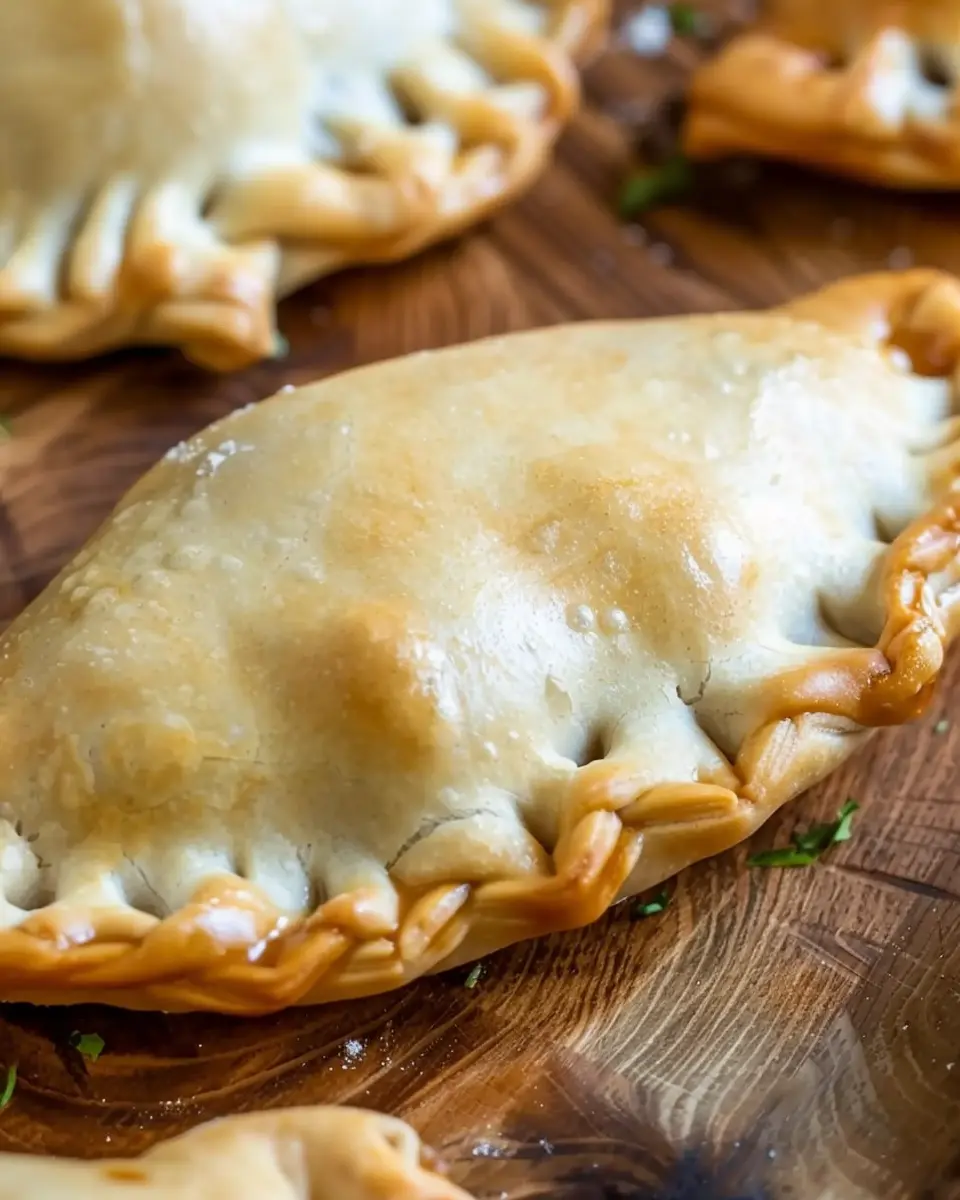
Variations of Empanada Dough
Whole Wheat Empanada Dough
If you’re looking for a healthier twist on traditional empanada dough, whole wheat is a fantastic choice! Whole wheat flour adds a nutty flavor and extra fiber, making your empanadas both nutritious and satisfying. To make whole wheat empanada dough, simply replace all-purpose flour with whole wheat flour in your recipe.
Here’s a simple guideline to follow:
-
Ingredients:
-
2 cups whole wheat flour
-
½ teaspoon salt
-
½ cup unsalted butter (or olive oil for a lighter option)
-
6-8 tablespoons cold water
-
Instructions:
- In a mixing bowl, combine whole wheat flour and salt.
- Cut in the butter until crumbly.
- Gradually add cold water until the dough comes together.
- Knead gently, wrap in plastic, and refrigerate for at least 30 minutes.
Enjoy experimenting with fillings like roasted vegetables or seasoned turkey bacon! For more tips on healthy baking, check out this Whole Grain Resources.
Gluten-Free Empanada Dough
For those avoiding gluten, creating a delicious gluten-free empanada dough is easier than you might think! Using a blend of gluten-free flours can yield a dough that’s just as pliable and tasty.
Consider this easy recipe:
-
Ingredients:
-
2 cups gluten-free all-purpose flour
-
½ teaspoon salt
-
½ cup coconut oil or butter
-
6-8 tablespoons icy cold water
-
Instructions:
- Mix gluten-free flour and salt in a bowl.
- Incorporate coconut oil until the mixture resembles breadcrumbs.
- Slowly add cold water until you form a soft dough.
- Chill for 30 minutes for easier rolling.
Experiment with fillings like chicken ham or savory beef for a mouthwatering treat. Don’t forget to familiarize yourself with gluten-free baking techniques; it can make a world of difference!
By exploring these variations, you can enjoy empanadas that cater to your dietary preferences while reveling in their delightful tastiness!
Cooking Tips and Notes for Empanada Dough
Key tips for successful dough-making
Making empanada dough can feel intimidating, but with a few key techniques, you’ll breeze through the process. First, ensure your butter or fat is cold before incorporating it into the flour—this will create those delightful flaky layers. You can use a pastry cutter for this step or simply your hands; just be quick enough not to melt the fat!
Another tip is to let the dough rest after you’ve mixed it. This gives the gluten a chance to relax, making it easier to roll out later. Finally, don’t forget to adjust liquid gradually while mixing; this helps achieve the perfect texture without ending up with a sticky mess.
How to avoid common dough pitfalls
Even seasoned cooks can hit bumps when crafting empanada dough. One common mistake is overworking the dough, which can lead to toughness. Remember to mix just until combined. Additionally, if your dough is crumbling, it might need a splash of water or milk to bring it together—just a little at a time!
For more detailed techniques and inspiration on making empanadas, consider checking out resources like Serious Eats and New York Times Cooking. They offer great insights into dough management and variations that’ll elevate your empanada game!
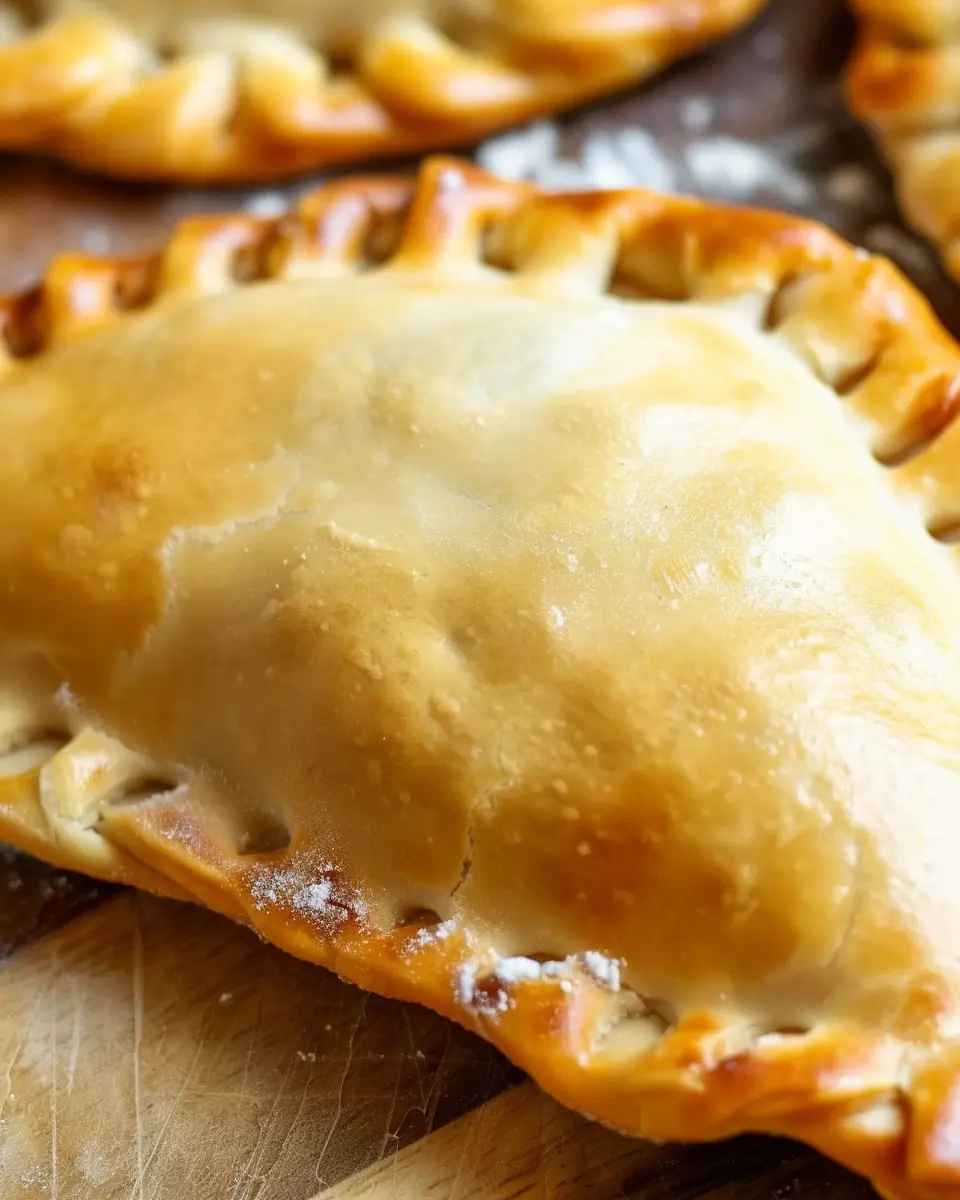
Serving Suggestions for Empanada Dough
Pairing suggestions for your empanadas
When it comes to pairing your delicious empanada dough creations, think about flavors that complement your filling. For savory options, try:
- Fresh salsa or pico de gallo for a zesty kick.
- Guacamole for a creamy, rich complement.
- Cilantro-lime rice as a light, flavorful side.
- Yogurt or sour cream for a tangy dip.
If you’re feeling adventurous, consider a light herbal tea or sparkling water infused with fruits for a refreshing contrast to the warm, flaky pastry.
Creative ways to serve and enjoy
The versatility of empanada dough allows you to get creative with presentation. Here are some ideas to elevate your empanada experience:
- Mini empanadas: Perfect for parties, serve bite-sized versions with various fillings for a fun appetizer platter.
- Empanada sliders: Use larger empanadas as buns to create a delightful sandwich filled with Turkey Bacon and cheese.
- Dessert empanadas: Don’t forget sweet options! Fill with fruit preserves or chocolate and serve with a scoop of vanilla ice cream for a decadent twist.
Explore more about empanada dough variations and recipes on Serious Eats for inspiration to impress your guests!
Time Breakdown for Empanada Dough
Preparation Time
Making empanada dough is a breeze! Start with about 15 to 20 minutes for the preparation. This includes gathering your ingredients, mixing the flour, and incorporating fats to create that deliciously flaky texture.
Chilling Time
Next up, don’t skip on chilling! Allow the dough to rest in the fridge for 30 minutes. This step is important to let the gluten relax, ensuring your dough rolls out smoothly.
Total Time
So, in just about an hour, you can have a perfect batch of empanada dough ready! A little time investment for homemade goodness that will elevate your savory or sweet fillings to a whole new level.
For more tips on optimizing your dough-making process, check out resources from Serious Eats or King Arthur Baking. Why not gather your favorite fillings and make this a fun cooking session? Happy cooking!
Nutritional Facts for Empanada Dough
When making empanada dough, it’s important to know what you’re putting on your plate. Here’s a friendly breakdown of the essentials that give your dough its character.
Calories
A standard serving of empanada dough typically has around 150–200 calories, depending on the ingredients you choose. This makes it a relatively moderate option for a tasty snack or meal.
Carbohydrates
Empanada dough is rich in carbohydrates, providing about 25–30 grams per serving. This is great for energy, but it’s wise to balance it with protein and healthy fats.
Fat
Expect around 7–10 grams of fat in your empanada dough, largely influenced by the type of fat you use (like butter or oil). Opting for healthier fats can make a difference for those watching their intake.
Protein
While empanada dough isn’t a protein powerhouse, it typically offers about 3–4 grams per serving. For a protein boost, consider adding filling options like chicken ham or turkey bacon.
Understanding these nutritional facts can help you make choices that align with your dietary goals. If you want to dive deeper into the benefits of mindful eating, check out resources from the American Heart Association or Harvard Health. Eating well doesn’t have to be complicated—just be curious and enjoy the process!
FAQs about Empanada Dough
Navigating the world of food preparation can often lead to a series of burning questions, especially when it comes to empanada dough. Whether you’re a novice in the kitchen or a seasoned cook, the following FAQs should help you enjoy your empanada-making journey!
Can I make empanada dough ahead of time?
Absolutely! You can prepare empanada dough well in advance. Simply follow your dough recipe, wrap it tightly in plastic wrap, and store it in the refrigerator for up to two days. If you want to keep it longer, consider freezing it (more on that below). Just remember to let it sit at room temperature for about 15-20 minutes before rolling it out.
What’s the best way to store leftover dough?
To store any leftover empanada dough, wrap it in plastic wrap or place it in an airtight container. It can typically be kept in the refrigerator for 2-3 days. Make sure to label it with the date so you don’t forget. Also, it’s a great idea to sprinkle a bit of flour on it before storing to prevent sticking.
Can I freeze empanada dough?
Yes, freezing empanada dough is a fantastic way to keep it fresh for a longer period! Make sure to divide the dough into manageable portions, wrap them tightly in plastic wrap, and then place them in a freezer-safe bag. This way, you can pull out just what you need later. Frozen dough maintains its best quality for about 2-3 months. For tips on thawing, visit The Kitchn.
These guidelines will help you get the most out of your empanada dough, ensuring that every bite is just as delicious as the last! Happy cooking!
Conclusion on Empanada Dough
Why Making Your Own Empanada Dough is Worth It
Creating your own empanada dough is a rewarding experience that elevates your dish from ordinary to extraordinary. While store-bought options may be convenient, homemade dough delivers freshness and customizable flavors that truly enhance your fillings. Whether you prefer a buttery texture or a richer taste, you have full control over the ingredients.
Plus, preparing your own dough can be a fun and creative activity to unwind after a busy day. Imagine gathering friends or family for a DIY empanada night! By using fresh ingredients, you not only boost the nutritional value of your meal but also create lasting memories around the kitchen table. For more tips on perfecting your technique, check out expert resources like Serious Eats. Why not give it a try? Your taste buds will thank you!
PrintEmpanada Dough: Easy Steps for Perfectly Flaky Pastries
Learn how to make empanada dough that is easy and results in perfectly flaky pastries.
- Prep Time: 10 minutes
- Total Time: 40 minutes
- Yield: 12 servings 1x
- Category: Dough
- Method: Baking
- Cuisine: Latin American
- Diet: Vegetarian
Ingredients
- 2 cups all-purpose flour
- 1/2 teaspoon salt
- 1/2 cup unsalted butter, chilled and cubed
- 1/4 cup cold water
Instructions
- In a large bowl, mix the flour and salt.
- Add the chilled butter and mix until the mixture resembles coarse crumbs.
- Gradually add cold water, mixing until the dough comes together.
- Shape the dough into a disk, wrap in plastic, and refrigerate for 30 minutes.
- Roll out the dough on a floured surface and cut into circles.
Notes
- Make sure to keep the butter chilled for flaky results.
- You can add herbs or spices to the dough for extra flavor.
Nutrition
- Serving Size: 1 empanada
- Calories: 200
- Sugar: 0g
- Sodium: 120mg
- Fat: 12g
- Saturated Fat: 7g
- Unsaturated Fat: 4g
- Trans Fat: 0g
- Carbohydrates: 22g
- Fiber: 1g
- Protein: 2g
- Cholesterol: 30mg
Keywords: Empanada Dough