Introduction to Japanese Katsu Bowls with Tonkatsu Sauce
What is a Katsu Bowl?
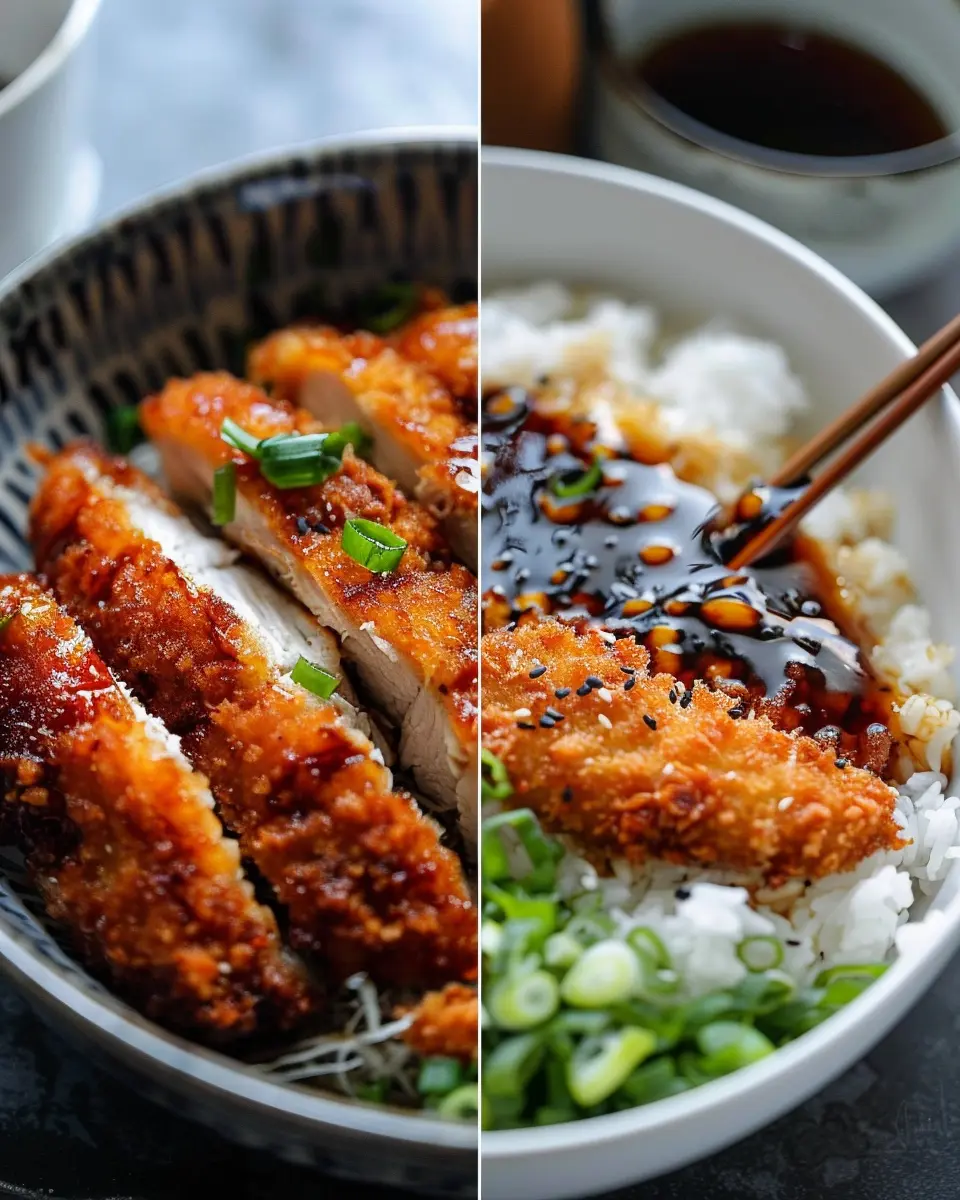
If you’re new to the delicious world of Japanese cuisine, you might be wondering, What exactly is a katsu bowl? Simply put, a katsu bowl features crispy, deep-fried slices of meat—traditionally beef, but chicken or even eggplant for a vegetarian twist—served over a bed of steaming rice, often adorned with fresh vegetables and savory sauces. The star of the show, of course, is the tonkatsu sauce, a tangy-sweet mixture that elevates the dish to new heights. It’s like a hug for your taste buds!
Imagine sinking your fork (or chopsticks) into that crispy crust, only to find tender, juicy meat inside. It’s a comforting, satisfying meal that you can whip up at home, making it perfect for a cozy night in or a casual dinner party with friends.
The Appeal of Homemade Meals Over Fast Food
In today’s fast-paced world, it can be tempting to reach for takeout, especially after a long day at work. However, making your own Japanese katsu bowls with tonkatsu sauce brings a unique satisfaction that fast food just can’t match. Did you know that 8 out of 10 Americans believe cooking at home is healthier? When you craft your meal from scratch, you know exactly what goes in—no mystery ingredients or unwanted additives.
Plus, preparing food at home can be a creative outlet. It’s not just about feeding your body; it’s about nourishing your soul. Try experimenting with different proteins, vegetables, and sauces to make the dish your own. Invite friends over and make it a fun cooking experience! Who doesn’t love a little friendly competition in the kitchen?
Not only does homemade fare give you control over nutrition and flavors, but it also fosters connection—with your food and the people you share it with. So why not invest a little time in the kitchen and treat yourself (and loved ones) to a delightful experience with Japanese katsu bowls with tonkatsu sauce? You’ll find that the effort is well worth it! For more recipe inspiration, check out Japanese Cooking 101, a fantastic resource for all things Japanese cuisine.
Ingredients for Japanese Katsu Bowls
List of Key Ingredients
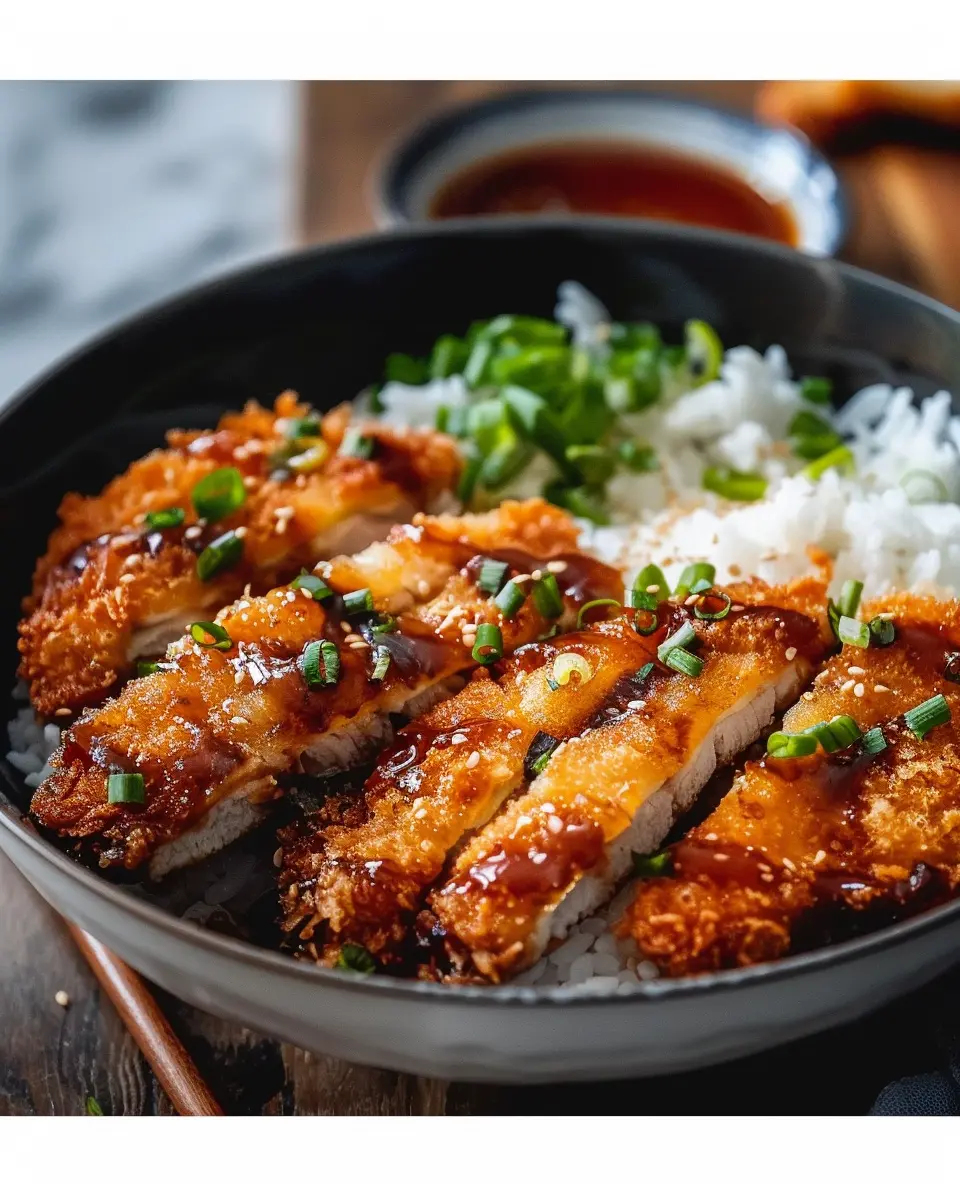
To create mouthwatering Japanese katsu bowls with tonkatsu sauce, you’ll need a handful of essential ingredients:
- Beef Cutlet: Choose a tender cut, like sirloin or tenderloin, to ensure a juicy bite.
- Panko Breadcrumbs: These give the katsu its trademark crunch—don’t settle for regular breadcrumbs!
- Egg: A binding agent crucial for sticking the panko to the beef.
- All-Purpose Flour: Helps the egg adhere better to the meat.
- Tonkatsu Sauce: The star of the dish! You can find this at Asian markets or online.
- Steamed Rice: A soft, fluffy base to complement the crispy katsu.
- Vegetables: Think pickled daikon, shredded cabbage, or steamed broccoli for freshness.
Tips for Selecting the Best Ingredients
When shopping for ingredients, focus on quality. Look for fresh, high-quality beef—it truly makes a difference in flavor and tenderness. Opt for panko breadcrumbs that are light and airy, as they create that desirable crispiness. If you’re unsure about which tonkatsu sauce to choose, read reviews or ask staff at your local Asian market for recommendations. Fresh vegetables will elevate your dish; organic options are great for taste and nutrition.
For more information on where to buy authentic ingredients, check out resources like Serious Eats or Nami Nami for tips.
Preparing Japanese Katsu Bowls
Creating delicious Japanese katsu bowls with tonkatsu sauce can be a rewarding culinary adventure. With their perfectly breaded and fried chicken, these bowls are not just a delight for your taste buds but also a feast for the eyes. Let’s break down the steps together to ensure your katsu bowls turn out just right.
Prepare the chicken
To kick things off, you’ll need to choose the right cut of chicken. Boneless, skinless chicken breasts are ideal for katsu because they’re lean and cook quickly. Start by placing your chicken breasts between two sheets of plastic wrap or parchment paper. This will help you pound them into even thickness—about half an inch works well. Not only does this tenderize the meat, but it also ensures even cooking, which is essential for achieving that perfect golden crust.
Once pounded, season both sides with salt and pepper. This simple step helps to enhance the natural flavors of the chicken. You can also experiment with adding garlic powder or a sprinkle of paprika for an extra flavor twist.
Set up the dredging station
A well-organized dredging station is the key to a successful katsu! You’ll need three shallow bowls for the breading process:
- Flour: All-purpose flour is essential for the first coat. It helps the egg adhere well to the chicken.
- Egg mixture: Beat a couple of eggs in a bowl with a splash of water or milk. This mixture acts as a binder for the breadcrumbs.
- Panko breadcrumbs: Look for the crispy, flaky Japanese-style breadcrumbs. They are what make the katsu extra crunchy and delightful.
Set up these bowls in order—flour first, then the egg mixture, and finally the panko. This way, you can easily coat your chicken without creating a mess. It’s like an assembly line for deliciousness!
Coat the chicken properly
Coating your chicken evenly is crucial for that sought-after crunchy texture. Start by dredging a piece of chicken in the flour, covering it entirely. Shake off any excess flour before dipping it into the egg mixture. Make sure every inch is coated so the panko adheres well. Finally, press the chicken into the panko, ensuring a thick, even layer. Here’s a tip: pressing firmly helps the breadcrumbs stick better, so don’t be shy!
Repeat this process for each chicken breast. If you love a crunchier texture, consider double coating—just perform the egg and panko steps again after the first coat.
Fry the chicken to golden perfection
Heat about half an inch of vegetable oil in a large skillet over medium heat. Once the oil is hot (you can test it by dropping in a few panko crumbs—if they sizzle, you’re ready), add the chicken carefully. Avoid overcrowding the pan; fry one or two pieces at a time to ensure even cooking.
Cook each side for about 4-5 minutes until golden brown and the internal temperature reaches 165°F (check with a meat thermometer for accuracy). It may be tempting to flip the chicken too soon, but let it be undisturbed to form that lovely crust!
Assemble the Katsu Bowls
Now comes the fun part—assembly! Start with a bowl of hot, steamed rice as your base. Place your beautifully fried chicken on top, then drizzle generously with tonkatsu sauce. The richness of the sauce balances the crispiness of the katsu wonderfully.
For a pop of color and flavor, consider adding some shredded cabbage, sliced green onions, or a sprinkle of sesame seeds on top. You can even include a soft-boiled egg if you’re feeling adventurous.
Voilà! You’ve created an enticing Japanese katsu bowl with tonkatsu sauce that’s perfect for a comforting dinner or a meal prep for the week ahead. Enjoy your dish and maybe share a picture on your favorite social media—they’re definitely Instagram-worthy!
For more tips on balancing taste in Japanese cuisine, check out Japan Centre. Happy cooking!
Variations on Japanese Katsu Bowls
Chicken Katsu with Different Proteins
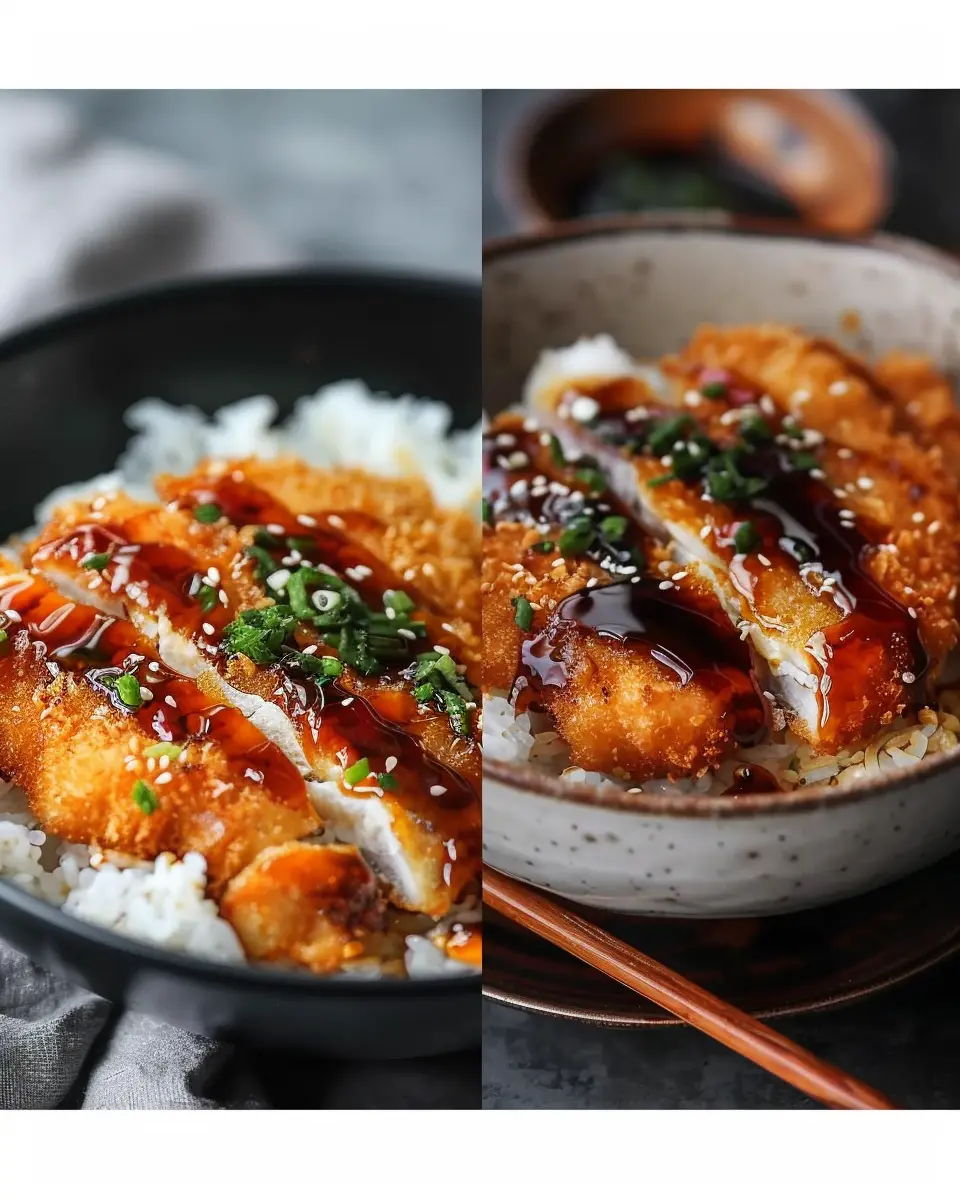
While traditional Japanese katsu bowls often feature chicken, there’s no reason to limit yourself! You can easily swap in other proteins to keep things interesting. Here are some ideas:
-
Beef Katsu: If you prefer a heartier option, consider thinly slicing beef and following the same breading process as you would for chicken. This variation adds rich flavors and is perfect when served with the classic tonkatsu sauce.
-
Turkey Bacon Katsu: For a lighter twist, try using turkey bacon. Simply fry it until crispy and serve over a bed of rice or salad to create a deliciously unique bowl.
-
Chicken Ham Katsu: If you’re looking for a unique profile, chicken ham can be a great alternative. It’s easy to prepare and provides a wonderfully savory taste.
These variations ensure that your Japanese katsu bowls with tonkatsu sauce remain exciting while catering to different taste preferences.
Vegetarian Katsu Bowl Options
For those embracing plant-based diets, there are plenty of delicious vegetarian katsu options that fit right into the katsu bowl tradition.
-
Eggplant Katsu: Sliced eggplant can be breaded and fried to create a flavorful meat alternative. Its texture and subtle flavor combine beautifully with tonkatsu sauce.
-
Tofu Katsu: Firm tofu coated in panko breadcrumbs can serve as a hearty base for your bowl. Marinate it beforehand for a punch of flavor, and then fry it to golden perfection.
-
Mushroom Katsu: Large portobello mushrooms not only provide umami but also give a meaty texture. Together with some fresh veggies and rice drizzled with tonkatsu sauce, you’ll have a satisfying dish.
The beauty of katsu bowls lies in their versatility, so don’t hesitate to get creative! Whether you’re indulging in a meat-filled bowl or savoring a vegetarian delight, you can’t go wrong with these variations.
Cooking tips and notes for Japanese Katsu Bowls
Tips for perfect frying
Achieving that crispy, golden exterior in your Japanese katsu bowls with tonkatsu sauce is all about the technique. Here’s how to nail it:
- Use the right oil: A neutral oil with a high smoke point, like vegetable or canola oil, works best for frying.
- Maintain the temperature: Keep the oil around 350°F (175°C). Too hot and the coating will burn; too cold and it will absorb oil.
- Don’t overcrowd the pan: Fry in batches to ensure even cooking and crispiness. Overcrowding can drop the oil temperature.
Want to dive deeper into frying techniques? Check out Serious Eats for expert tips.
Alternative cooking methods
If you’re looking for healthier options, consider these alternatives:
- Baking: Preheat your oven to 400°F (200°C). Place katsu on a baking sheet lined with parchment paper and bake for about 20 minutes, flipping halfway through.
- Air frying: For an even lighter option, use your air fryer at 375°F (190°C) for around 12-15 minutes, ensuring they are crispy without the excess oil.
Trying these methods can result in equally delicious Japanese katsu bowls with tonkatsu sauce while keeping it healthier!
Serving Suggestions for Japanese Katsu Bowls
Pairing Sides and Drinks
When it comes to Japanese katsu bowls with tonkatsu sauce, choosing the right sides and beverages can elevate your meal experience. You might want to consider:
- Simple Rice: A bowl of fluffy white rice is perfect, absorbing flavors and balancing the dish.
- Pickled Vegetables: Add a refreshing burst of flavor with pickled daikon or cucumbers.
- Steamed Broccoli: This adds a pop of color and a nutrient boost to your meal.
- Beverage Options: Opt for a chilled green tea or a refreshing lemonade. Both pair wonderfully with the savory notes of katsu.
Presentation Tips for an Impressive Serving
To wow your guests (or yourself), presentation is key. Begin by:
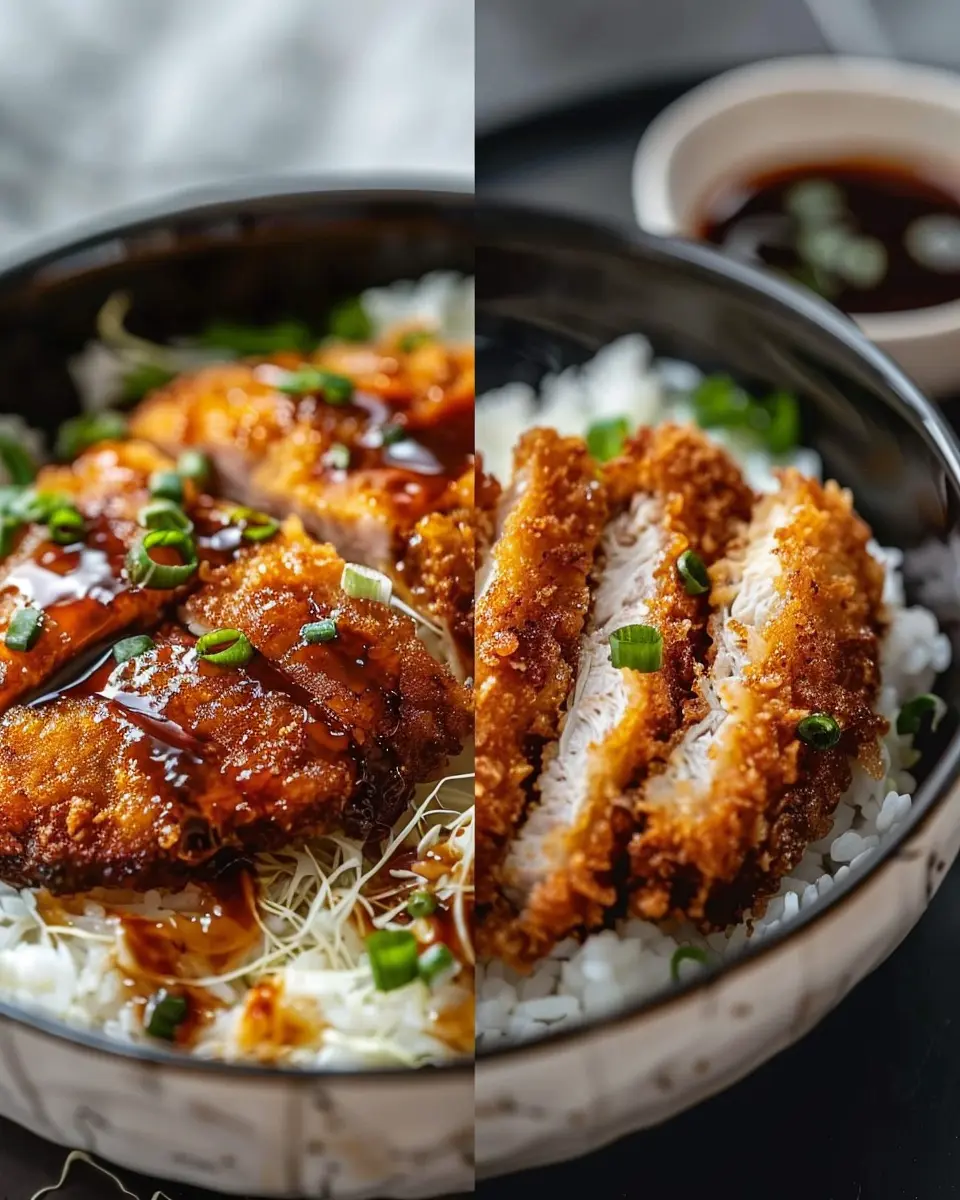
- Plating your katsu neatly atop a bed of rice, ensuring the crispy edges are visible.
- Drizzling tonkatsu sauce aesthetically over the katsu — let it cascade down the side for that artistic touch.
- Garnishing with sliced green onions or sesame seeds for added texture and vibrancy.
For more in-depth tips on creating the ideal dining experience, check out this dining etiquette guide that highlights the art of plating and serving.
With these suggestions, your Japanese katsu bowls with tonkatsu sauce are sure to be both delicious and visually captivating!
Time Breakdown for Japanese Katsu Bowls with Tonkatsu Sauce
Preparation time
Getting ready for your Japanese katsu bowls with tonkatsu sauce takes about 15 minutes. This includes gathering all your ingredients and setting up your prep stations. Pro tip: have everything chopped and ready to go to speed up the cooking process!
Cooking time
The cooking portion will take roughly 20 minutes. You’ll be frying the crispy beef cutlets and cooking your rice simultaneously for maximum efficiency.
Total time
In total, you’re looking at about 35 minutes from start to finish. Perfect for whipping up a delicious meal on a busy weeknight! For more tips on mastering meal prep, check out this helpful guide. Enjoy your cooking!
Nutritional Facts for Japanese Katsu Bowls
When enjoying a delicious bowl of Japanese katsu with tonkatsu sauce, you might wonder about its nutritional value. Understanding what goes into your meal can enhance your dining experience, making it both satisfying and nourishing.
Calories
A typical serving of Japanese katsu bowls with tonkatsu sauce ranges from 500 to 700 calories. This varies based on portion size and additional ingredients. For a lighter option, consider swapping white rice for brown rice or adding more vegetables.
Protein Content
Protein lovers will be happy to know that each bowl provides around 25-40 grams of protein, primarily from the beef and any additional toppings. This makes it a great option for post-workout meals or fortifying lunches.
Key Nutrients
Your katsu bowl is not just about calories. It also delivers essential nutrients:
- Iron: Important for energy levels, found in beef and vegetables.
- B Vitamins: Vital for metabolism, especially B12 from the meat.
- Fiber: If you incorporate veggies, they add beneficial fiber for digestion.
For a deeper dive into the health benefits of these ingredients, check out Healthline’s article on the nutritional value of beef. Understanding the composition of your meal can help you make informed choices while still enjoying the rich flavors of this beloved dish!
FAQs about Japanese Katsu Bowls
Can I make tonkatsu sauce at home?
Absolutely! Making tonkatsu sauce at home is both simple and rewarding. You’ll need ingredients like ketchup, Worcestershire sauce, soy sauce, and a hint of sugar to create that perfect balance of sweet and savory. Combine these in a bowl and adjust the flavors to your liking. There are plenty of delicious recipes available online that can guide you step-by-step, like this one from Just One Cookbook. You may even have the ingredients on hand!
What can I substitute for panko breadcrumbs?
If you find yourself out of panko breadcrumbs, don’t stress! You can use regular breadcrumbs in a pinch, but they won’t deliver that signature light, crispy texture. Alternatives include crushed cornflakes or even crushed crackers to achieve a similar crunch. Just remember to season them if they’re unflavored! This adaptability keeps your Japanese Katsu Bowls with Tonkatsu Sauce tasty and satisfying.
How do I keep the Katsu crispy?
Keeping your katsu crispy is essential for a perfect bite! Here are a few tips:
- Fry in small batches: Too much in the pan can lower the oil temperature, making the crust soggy.
- Use fresh oil: Nothing beats the crispiness of food fried in clean oil!
- Drain properly: After frying, place the katsu on a wire rack rather than paper towels to let excess oil drain while allowing air circulation.
These simple tricks can elevate your experience of enjoying Japanese Katsu Bowls with Tonkatsu Sauce to a whole new level!
Conclusion on Japanese Katsu Bowls
Making Japanese Katsu Bowls with Tonkatsu Sauce at home is an adventure worth embarking on! The joy of perfectly crispy beef paired with fluffy rice and the rich, savory tang of tonkatsu sauce creates a satisfying experience that truly speaks to your taste buds. Plus, it’s incredibly customizable—add your favorite veggies or experiment with different proteins like turkey bacon for a fun twist.
So, why not treat yourself or share this delightful dish with friends? Embracing the art of katsu is not just about cooking; it’s about creating cherished moments over comforting food. Happy cooking!
PrintJapanese Katsu Bowls with Tonkatsu Sauce: The Best Comfort Meal
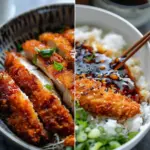
Experience the comfort of Japanese Katsu Bowls topped with a savory Tonkatsu Sauce.
- Prep Time: 20 minutes
- Cook Time: 15 minutes
- Total Time: 35 minutes
- Yield: 4 servings 1x
- Category: Main Course
- Method: Frying
- Cuisine: Japanese
- Diet: Omnivore
Ingredients
- 2 cups cooked rice
- 1 pound pork loin
- 1 cup panko breadcrumbs
- 1 egg
- 1 cup all-purpose flour
- 1/4 cup tonkatsu sauce
- 2 cups vegetable oil
- 2 green onions, sliced
- 1 head of cabbage, shredded
Instructions
- Prepare the ingredients: Cook rice, slice pork, and prepare the cabbage.
- Bread the pork: Dredge the pork in flour, dip in egg, and coat with panko.
- Fry the pork: Heat oil in a pan and fry the breaded pork until golden brown.
- Assemble the bowl: Place rice in a bowl, add fried pork, drizzle with tonkatsu sauce, and top with cabbage and green onions.
Notes
- For a spicy kick, add a touch of wasabi to the tonkatsu sauce.
Nutrition
- Serving Size: 1 bowl
- Calories: 700
- Sugar: 2g
- Sodium: 900mg
- Fat: 35g
- Saturated Fat: 8g
- Unsaturated Fat: 15g
- Trans Fat: 0g
- Carbohydrates: 80g
- Fiber: 3g
- Protein: 30g
- Cholesterol: 100mg
Keywords: Japanese Katsu, Tonkatsu, Comfort Meal, Japanese Cuisine